



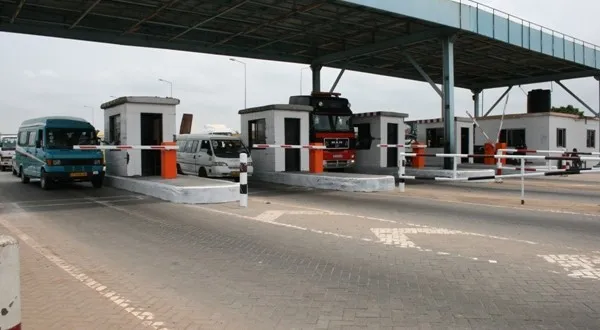
Ghana is preparing to roll out a digitized road toll system, promising efficiency and convenience. But as the government moves forward with this new approach, experts are raising concerns about potential financial risks, particularly the linking of mobile money (MoMo) and bank accounts to the toll billing system. Could this innovation expose drivers to cyber fraud and financial losses?
A digital revolution or a security nightmare?
For years, Ghana’s road toll system relied on physical booths and cash payments, often leading to congestion and inefficiencies. The government’s new approach aims to eliminate toll booths and introduce a fully automated payment system, allowing drivers to pay tolls seamlessly as they pass through designated routes.

However, Gibson Harrison, CEO of Gibson Safety Consult,in an interview with 3news warns that linking MoMo and bank accounts directly to the toll system could increase vulnerability to cyber fraud. Speaking on Connect FM, he emphasized that Ghana is still battling MoMo fraud, and integrating financial accounts into the toll system could expose users to hacking and unauthorized transactions.
“In advanced countries, they have dedicated prepaid accounts for which bills on road tolls are charged. In an event of a cyber-attack, my bank or MoMo account could be affected. So, this prepaid account insulates the user against such risks,” Harrison explained.
Public concerns over the toll reintroduction
The reintroduction of road tolls has already sparked debate among Ghanaians. After the controversial suspension of tolls in 2021, many hoped the system would be permanently scrapped. However, the government argues that tolls are essential for road maintenance and infrastructure development.
Before their abolition, road tolls contributed approximately GH¢78 million annually to the Ghana Road Fund. While this amount is small compared to the country’s total road financing needs, it played a crucial role in maintaining roads. The government now believes that reintroducing tolls with a digital system will improve transparency and efficiency.
“The new policy aims to generate additional revenue for road maintenance and construction, reduce the government’s reliance on external loans for road projects, and improve infrastructure sustainability by ensuring users contribute to maintenance costs,” according to Graphic Online.
Will the new system work?
The Minister of Roads and Highways, Kwame Governs Agbodza, has assured the public that the new toll system will provide real-time traffic data, support targeted maintenance planning, and allow for better fund management. He also hinted that toll revenue could be reinvested in road upkeep, addressing concerns about mismanagement.
But as Ghana moves toward this cashless toll system, experts insist that security measures must be prioritized. If the government fails to implement strong cybersecurity protections, drivers could find themselves paying more than just toll fees they could be paying the price for weak digital security.