

- Advertisement -spot_img
Home Blog Page 9

See what’s coming in Mazda’s all-new 2026 CX-5

0

The CX-5 is loved by many for its sporty and urban design, hence, making it Mazda’s best-selling model. However, Mazda is restructuring this model with new, bold designs and tech, bringing a more spacious cabin that features innovative, intuitive technology, while also enhancing vehicle safety to craft a more capable SUV.

Bold new design

Mazda says the design of the 2026 CX-5 was inspired by the “Wearable Gear” concept, which embodies flexibility and approachability. It features a familiar silhouette and optimized proportions, creating a spacious cabin and exterior. The vehicle’s stance is enhanced by 19-inch wheels. The front end has a wider-set look, featuring the Mazda Signature Wing grille and angular lighting elements.

The design also draws inspiration from the traditional Japanese architecture principle called “Kigumi,” where precise wood joinery is used instead of conventional screws and nails. The rear features angular lighting and bold “MAZDA” lettering. The CX-5 is 4.5 inches longer in overall length and wheelbase, and over half an inch wider than the previous model.

Improved interior

The new CX-5 offers a calm and functional interior, providing a spacious and serene cabin for drivers and passengers. The larger door openings facilitate easier ingress and egress, allowing parents to load in car seats comfortably. Increased rear leg, knee, and headroom enhance passenger comfort, while a panoramic sunroof enhances the vehicle’s sense of lightness.

The 2026 CX-5’s larger size and length allow for a larger rear cargo area, nearly two inches longer and over an inch higher, and a lower lift-in height, making loading easier. Mazda’s Japanese craftsmanship is evident in the materials and finishes used, ensuring a refined, harmonious atmosphere throughout the cabin. New ambient lighting on the front door trims adds a calming atmosphere, enhancing the sense of a private, high-quality space for passengers without distracting the driver at night.

Tech and safety

The Mazda CX-5 comes with a 15.6-inch integrated touchscreen display, the largest ever offered on a Mazda vehicle. This system offers smartphone-like usability and a customizable home screen. It comes with Google built-in, allowing owners to take hands-free control of their vehicle, including Google Gemini, an AI assistant. Owners can explore and navigate with confidence using Google Maps, and access saved places and previous searches when signed into a Google Account.

With Google built-in, owners can access the Google Play Store for compatible apps and add branded and third-party features. The CX-5 continues Mazda’s commitment to safety, being one of the safest vehicles in its segment. Drivers can expect a robust suite of standard and available driver assistance technologies, including the introduction of Advanced Driver Assistance System features.

Old powertrain

The 2026 Mazda CX-5 will feature a 2.5-liter SkyActiv-G four-cylinder engine, 187 horsepower and 185 lb-ft of torque, paired with a 6-speed automatic transmission and standard i-Activ AWD. The 2.5 S powertrain package has been recalibrated for greater flexibility, offering sharper response and a more relaxed demeanor. In 2027, the Mazda CX-5 will introduce a hybrid powertrain with Mazda Hybrid System technology, offering higher performance and fuel efficiency.

The new CX-5 is set to arrive in showrooms in Europe at the end of 2025 and in other markets during 2026.

The 2026 Hyundai Elantra is here: A dive into what’s new!

0
2026 Hyundai Elantra

The 2026 Hyundai Elantra is here, and it’s clear Hyundai is aiming to offer something for everyone. Whether you’re after affordability, fuel efficiency, or performance, there’s a version of the Elantra for you.

For starters, the base Elantra is a budget-friendly option that’s well-equipped, even though it may not be the most exciting to drive. If you’re focused on saving fuel, the hybrid version is a great pick, offering smooth performance and excellent mileage. Meanwhile, the sportier N Line model gives you turbocharged power and a more engaging driving experience — perfect for those who want a little thrill behind the wheel.

Interior

Don’t be fooled by the Elantra’s sleek, compact look — it has a surprisingly spacious interior. There’s plenty of legroom, and everything on the dashboard is easy to reach and use. Hyundai has added a new trim level called the SEL Sport Premium for 2026, which includes extra features like heated seats, a split-folding back seat, and a modern dual-screen setup.

Interior: Borrowing from the Sonata

Under the hood, you get to choose from a few different engines. The basic model comes with a 147-horsepower 2.0-liter engine, while the hybrid combines a smaller engine with an electric motor to deliver 139 horsepower. The N Line steps things up with a 201-horsepower turbo engine, giving it the fastest performance in the lineup (aside from the even more powerful Elantra N, reviewed separately). The hybrid stands out for using a 6-speed dual-clutch transmission instead of a traditional CVT, which helps reduce that loud, droning engine noise many hybrids have.

Engine

In terms of speed, the base model reaches 0 to 60 mph in about 8.1 seconds, the hybrid does it in 8.4 seconds, and the N Line is expected to hit it in just 6.5 seconds, making it a solid rival to sportier cars like the Honda Civic Si.

Fuel economy is one of the Elantra’s strong points. The hybrid model offers up to 58 miles per gallon on the highway, while the regular version gives around 38 to 41 mpg, depending on the wheels. Even the sportier N Line, which naturally uses more fuel, still offers a respectable 35 mpg on the highway.

Inside, the Elantra is well laid out. The dashboard is clean and driver-focused, and there’s good space in both the front and back seats. Cargo space is generous too — enough to fit several carry-on suitcases, making it practical for road trips or errands.

Cargo space

Tech-wise, the car comes with either an 8-inch or a larger 10.3-inch touchscreen, depending on the trim you choose. The smaller screen offers wireless Apple CarPlay and Android Auto, while the larger screen gives you satellite radio but oddly requires a cable for smartphone mirroring. Premium trims come with an 8-speaker Bose sound system, while others get a standard 6-speaker setup.

When it comes to safety, all Elantras include basics like automatic emergency braking, lane departure warning, and lane-keeping assist. If you want extras like adaptive cruise control, you’ll need to go for a mid or top-tier trim.

Hyundai also gives you peace of mind with one of the best warranties in the business: 10 years or 100,000 miles for the powertrain, five years or 60,000 miles overall, and three years of free maintenance.

In short, the 2026 Hyundai Elantra offers a lot of value, no matter what you’re looking for in a car. Whether it’s affordability, efficiency, or performance, there’s likely a version of the Elantra that fits your needs.

Stuck in Traffic? Here’s how it’s hurting your health

0
Traffic scene in Accra

It’s not enough that many people spend long hours sitting in their offices working or handling daily responsibilities; getting home presents its own set of problems. In places like Accra, where traffic is consistently dreadful, commuters often endure hours-long gridlocks. By the end of the day, the toll taken by getting stuck in traffic can be even more dangerous than the stress experienced throughout the workday.

The Greater Accra Region has the highest number of registered vehicles, followed by Kumasi. The vehicle-to-population ratio steadily increased from 50 vehicles per 1,000 people in 2010 to 70 vehicles per 1,000 people in 2015. A 2017 study found that daily traffic in Accra results in an average of 2.5 hours lost by commuters using public buses, leading to overwhelming road congestion and hidden health hazards. Here are some of the effects of spending long hours in traffic:

Exposure to Air and Noise Pollution
Even though air-conditioned cars offer comfort during traffic jams, they still contribute to high levels of air pollution, releasing toxic gases and compounds into the atmosphere. Traffic congestion also leads to noise pollution, which increases stress and may cause hearing impairment and headaches. According to the Environmental Protection Agency, an average adult breathes about 3,400 gallons of air daily. Driving for two hours can expose you to gallons of polluted air, increasing the risk of asthma and other respiratory problems.

Stress
A 2017 Australian study revealed that driving for more than two hours a day significantly raises the risk of psychological distress and health issues such as obesity. Long-distance driving — especially in congested traffic — worsens stress levels. To lower the risks of heart disease and cancer, stress management should be integrated into drivers’ daily routines.

Physical Effects
Prolonged sitting while commuting can lead to numerous health problems, including obesity, heart disease, high blood pressure, diabetes, chronic leg pain, varicose veins, and swelling. It may also cause deep vein thrombosis (DVT), a potentially life-threatening condition where blood clots form in the legs. DVT can prevent a driver from operating a vehicle for at least two months. Back pain is another common issue, especially for people who sit for extended periods at work or while driving.

BYD expands beyond EV with an old global strategy to challenge Tesla

0
BYD

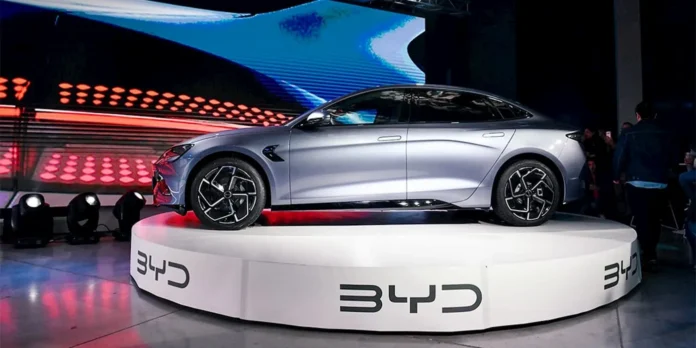
BYD is stepping up its game in the race against big names like Tesla and Elon Musk — and it’s not just sticking to electric cars. The Chinese auto giant is now making bold moves into plug-in hybrids and hydrogen-powered vehicles, while also expanding its reach across Europe and the U.S. With growing global interest in clean energy cars, BYD is adapting fast. Let’s break it all down.

BYD stands for Build Your Dreams, and the company is doing just that. It’s one of China’s biggest carmakers and a serious competitor to Tesla. Until now, BYD focused heavily on fully electric vehicles (EVs), which run entirely on battery power.

But that’s changing. BYD recently decided it won’t focus only on EVs anymore. Instead, it’s widening its strategy because many drivers still have doubts about switching to electric-only cars.

Why are people still unsure about electric cars?

Let’s be honest — going fully electric sounds great, but not everyone is ready. Here’s why:

  • People fear the battery might run out too quickly.
  • Charging stations aren’t available everywhere.
  • The switch from petrol or diesel to electric can be confusing.
  • Some just don’t understand how electric charging works or how long it takes.

So, even though electric cars are cleaner, they’re still not convenient for everyone. BYD noticed this and is offering a smart alternative.

What’s BYD offering now?

BYD is still making electric cars, but now it’s putting a big push behind plug-in hybrid vehicles (PHEVs). These cars use both electricity and petrol. You can drive on battery power, but if it runs low, the petrol engine kicks in — no panic about finding a charger.

They use BYD’s own DM-i hybrid technology, which gives you the freedom to switch between electric and fuel when needed. It’s a clever way to ease into the world of clean driving.

What’s happening in Europe?

In Europe, BYD already sells one of its PHEVs — the Seal DM-i. And in 2025, it plans to roll out two more hybrid models.

Germany, a huge player in the car world, is one of BYD’s main targets. But here’s the twist: the European Union is adding high taxes (called tariffs) to electric cars imported from outside Europe — like from China. To get around this, BYD is building factories in Europe, including in Hungary and Turkey. This way, it can sell cars without those extra costs and stay competitive.

What about hydrogen cars?

BYD isn’t stopping at electric and hybrid vehicles. It’s also investing in hydrogen fuel cell technology, especially for bigger vehicles like buses.

Together with U.S. Hybrid Corporation, BYD created a hydrogen-powered bus that doesn’t need to be plugged in. One of these buses is now working at Honolulu Airport in Hawaii, thanks to a local transport company called Robert’s Hawaii.

This is all part of Hawaii’s Clean Energy Initiative, which aims to make the state more eco-friendly and reduce pollution.

So what’s BYD’s plan for the future?

BYD’s new strategy is smart and flexible. Here’s what they’re offering moving forward:

  • Electric cars for drivers ready to go fully electric.
  • Plug-in hybrids (PHEVs) for those who want flexibility.
  • Hydrogen-powered vehicles, especially for public transport.
  • New factories in Europe to make it easier to sell cars locally.

They’re not forcing everyone into one type of vehicle — they’re giving choices, and that’s what many people want.

What does it all mean?

In short, BYD is listening to what real people want. They’re not giving up on electric cars — far from it — but they’re offering practical options for people who aren’t quite ready to go fully electric.

At the same time, they’re working on cleaner energy solutions like hydrogen and expanding globally in smart ways. With these moves, BYD is putting pressure on Tesla and other automakers to think more flexibly too.

In the end, it’s exciting to see companies like BYD pushing green technology forward — not just for tech lovers, but for everyone.

Watch Marcus Rashford pull up in his all-electric Rolls-Royce Spectre

0
Marcus-Rashford and his Rolls-Royce Spectre

Manchester United star Marcus Rashford was recently spotted making a stylish entrance at Carrington, the club’s training ground, and it wasn’t just his outfit turning heads, but the England forward arrived behind the wheel of his all-electric Rolls-Royce Spectre, a car that’s as bold and refined as the man himself.

The Rolls-Royce Spectre, which starts at an eye-watering £330,000, is the brand’s first fully electric production model, and it’s nothing short of groundbreaking. Combining the signature opulence of Rolls-Royce with next-generation electric performance, the Spectre delivers a smooth, whisper-quiet driving experience with no compromise on luxury.

It’s powered by a dual-motor setup producing 577 horsepower and 900 Nm of torque, allowing it to glide from 0 to 60 mph in just 4.4 seconds, impressive for a vehicle of its size and stature.

Rolls-Royce Spectre. Photo credit: Google

Finished with a sleek, coupe-like silhouette and unmistakable Rolls-Royce presence, Rashford’s Spectre likely features bespoke touches courtesy of the brand’s near-limitless customisation options. From starlight headliners to personalised badging and handcrafted interiors, no two Spectres are ever truly alike, and given Rashford’s taste for the finer things, his version is almost certainly tailor-made.

Interior of a Rolls-Royce Spectre. Photo credit: Google

With an estimated driving range of over 300 miles on a full charge and cutting-edge tech like predictive suspension and seamless integration with Rolls-Royce’s Spirit digital architecture, the Spectre marks a bold shift toward electrified luxury.

Watch video of the moment below:

Mercedes-Benz Hybrid SUVs ranked by price

0
Mercedes-Benz GLC 350e 4MATIC

Mercedes-Benz has taken a firm step into the world of hybrid SUVs, blending electric motors with their traditional petrol engines to give drivers the best of both worlds. More power, fewer trips to the fuel station, and a touch of eco-friendliness.

Whether you’re looking for a comfortable family SUV, a luxurious cruiser, or a performance monster, there’s a hybrid Mercedes SUV to fit your needs. Here’s a simple breakdown of the most popular Mercedes hybrid SUVs in the U.S., ranked from the most affordable to the priciest.

3. Mercedes-Benz GLC 350e 4MATIC

Mercedes-Benz GLC 350e 4MATIC. Photo credit: Carbuzz.com

If you’re looking for an affordable entry into Mercedes’ hybrid SUV lineup with a starting price of $59,900, the GLC 350e is a smart place to start. It comes with a 2.0L turbocharged engine paired with an electric motor, giving you a combined 313 horsepower and four-wheel drive (that’s what “4MATIC” means). It may not be a sports car, but it’ll go from 0 to 60 mph in about 6.3 seconds, which is pretty quick for an SUV.

Mercedes-Benz GLC 350e 4MATIC Interior. Photo credit: Carbuzz.com

One of the best things about this model is its electric-only range of up to 54 miles, enough to cover most people’s daily commute without using any fuel. With an estimated 64 MPGe, it competes well with other plug-in hybrids like the Volvo XC60. It charges quickly too ( just 30 minutes using a fast charger).

Mercedes-Benz GLC 350e 4MATIC. Photo credit: Carbuzz.com

.Inside, it’s all high-tech luxury. There’s a large 11.9-inch touchscreen, a 12.3-inch digital gauge cluster, and features like heated and ventilated seats, remote start, and ambient lighting. The mid-level “Exclusive” trim adds a surround-view camera and premium sound, while the top “Pinnacle” trim throws in features like a head-up display and noise-reducing glass.

There’s seating for five and decent cargo space — around 21.9 cubic feet in the standard GLC, though expect a bit less in this hybrid version due to the battery.

2. Mercedes-Benz GLE 450e 4MATIC

Want something bigger than the GLC? The GLE 450e offers a roomier ride with even more power — 381 horsepower from the same 2.0L engine and electric setup. Despite its size, the GLE still gives you up to 50 miles of electric driving and can fast charge from 10% to 80% in just 20 minutes.

Base Price: $71,350

Mercedes-Benz GLE 450e 4MATIC

The interior is more refined and less screen-heavy than the GLC, with dual 12.3-inch displays and an elegant layout. You’ll find three trims here too, and tons of extra options like massage seats, soft-close doors, and even cabin fragrances. Want heated and cooled cupholders? You got it.

Mercedes-Benz GLE 450e 4MATIC

Compared to its main rival, the BMW X5 PHEV, the GLE has more cargo space — about 74.9 cubic feet with the seats down — and more rear legroom, making it a better option for families. Like the GLC, it only seats five.

1. Mercedes-AMG GLC 63 S E Performance

This isn’t your typical hybrid. The AMG GLC 63 S is built for speed, not savings. It produces a staggering 671 horsepower, thanks to a Formula 1-style turbocharged engine and electric assist. The hybrid system here is less about fuel efficiency and more about performance — think 0 to 60 in under 4 seconds.

Fuel economy isn’t great (about 31 MPGe), and the electric-only range is just 1 mile, so don’t expect to cruise silently through town. But what you lose in range, you gain in fun — this is the most powerful four-cylinder engine in any production car.

Inside, it’s sporty and stylish. You get a panoramic sunroof, a heated steering wheel, and digital displays with performance metrics. The Pinnacle trim adds a high-end sound system and extra insulation for a quieter ride. Just be aware that cargo space is limited — only 16.6 cubic feet, smaller than rivals like the BMW X3M.

Mercedes also offers this model in a sleek coupe version, which sacrifices headroom and trunk space for a more aggressive design. Prices for the AMG GLC 63 S start at around $86,050

Whether you want an affordable luxury hybrid like the GLC 350e, a spacious all-rounder like the GLE 450e, or a high-performance thrill ride like the AMG GLC 63 S, Mercedes-Benz has something for every SUV lover looking to dip their toes into hybrid tech. These vehicles offer a smooth transition from fuel to electric, and with fast charging, luxurious interiors, and solid electric range, they make hybrid driving feel like an upgrade, not a compromise.

XPeng’s G7 SUV redefines EV tech with 5C charging and in-house AI

0
XPeng G7

Chinese automaker Xpeng has unveiled its new G7, a mid-size electric SUV with advanced technologies and competitive pricing. The G7 is part of Xpeng’s strategy to strengthen its position in the growing electric vehicle market, offering a smart and comfortable driving experience with high tech and features like an AR-HUD and Turing AI chips.

The G7 features an innovative augmented reality head-up display(AR-HUD), developed in partnership with Huawei, with a display area of up to 87 inches, providing augmented navigation, complex intersection instructions, and dynamic lane change alerts, using distortion correction and latency compensation technologies for a smooth driving experience.

The G7 Ultra features three Turing AI chips with processing power exceeding 2,200 TOPS, equivalent to nine Nvidia Orin-X chips. This allows for advanced driver-assistance features like Level 3 autonomous driving (XNGP) and parking assistance in urban and highway environments.

The G7 combines artificial intelligence with futuristic design. The high-performance CPU and advanced windshield display developed by Huawei are key features of the new battery electric vehicle. The Chasing Light Panorama AR-HUD overlays navigation arrows and safety alerts on top of the real-world road view, predicting what to do next.

The system can highlight potential hazards before they occur, reducing driver distraction and improving road safety. The predictive display, which is nearly 87 inches wide, is bright and sharp enough to perform in all lighting conditions, reducing driver distraction and improving road safety.

Exterior and Interior

The Xpeng G7 features a daytime running light strip, integrated split headlamps, and an active front grille. It has a longer wheelbase than the preceding G6 model and measures 4,892 mm in length, 1,925 mm in width, and 1,655 mm in height. It has 18- or 20-inch wheels, frameless doors, gentle electronic closing, concealed handles, and six eye-catching exterior colors, including Starry Gray, Lunar Silver, and Starry Green.

The G7 cabin is modern and minimalist, featuring a floating 15.6-inch central touchscreen for infotainment and vehicle data. It uses premium materials like wood, metal, and leather, with four interior color options. Napa leather seats offer ventilation, heating, and massage functions. The G7 has upscale amenities like wireless chargers, panoramic sunroof, 20-speaker surround sound system, 256-color ambient lighting, and a digital rearview mirror. It also has foldable racks, an 8-inch rear passenger control screen, and a glove compartment.

Powertrain and battery

With the lightning-fast 5C charging that the G7 offers, you can increase your range from roughly 570 to 700 kilometers in about 12 minutes without risking battery life.

The G7 has two battery options (68.5 kWh and 80.8 kWh) and a 218 kW rear electric motor. Its larger battery with 18-inch wheels offers a range of up to 702 kilometers, while its 20-inch wheels offer a slightly reduced range.

Car Rental Association seeks GH₵10m support from government

0

The Car Rental Association of Ghana (CRAG) has called on the government to establish a GH₵10 million Electric Vehicle (EV) Transition Fund to support the modernisation of Ghana’s car rental industry.

This appeal was made during a stakeholder engagement held on Tuesday, July 15, 2025, with the Minister for Tourism, Culture and Creative Arts, Dzifa Abla Gomashie. The executives of the associations presented proposals aimed at transforming the sector into a key driver of sustainable tourism and economic development.

The association, led by President Michael Sarpong of St. Michael Car Rentals, highlighted major challenges such as outdated fleets, poor driver training, unregulated operators, and a lack of digital infrastructure. He claimed that these issues hinder the industry’s growth and limit Ghana’s tourism potential.

During the engagement, CRAG proposed the establishment of a Tourism Driving School to train drivers in road safety, customer service, and basic tourism education. They also called for the launch of a national car rental digital booking platform managed by the Ghana Tourism Authority.

The proposed platform is meant to enhance transparency, ensure the use of verified ID, deduct taxes at source, and improve the rental experience for tourists and locals.

The CRAG believes that a GH₵10 million government-supported EV Transition Fund would reduce fuel dependency, cut emissions, and create jobs. If 200 companies upgrade their fleets, 200 households would be supported, with each EV bringing one more driver and one more job.

Minister Dzifa Abla Gomashie acknowledged the economic constraints facing the government but acknowledged the need for CRAG’s proposals. She assured that the Ministry of Finance will work towards addressing these needs.

The CRAG also raised concerns about the lack of suitable transport options for cruise tourists visiting the Western Region. They noted that many passengers are priced out of luxury transport and are left with informal taxi services, often charged in US dollars.

The CRAG remains confident that with the right policies, digital tools, and strategic investment, the sector can become a pillar of Ghana’s tourism growth and a model for sustainable transport.

Porsche is battling falling profits, EV woes and a China sales slump in a growing crisis

0
Image credit-Porsche newsroom

Porsche, the famous German luxury car brand, is facing a tough year. Known for its sleek sports cars and powerful SUVs, the company is now dealing with falling profits, slower electric vehicle (EV) sales, and rising costs. As a result, Porsche is increasing prices and changing its strategy to stay competitive.

According to StockInvest, Porsche’s operating profit dropped by 22.6%, falling to €5.64 billion from the previous year’s €7.28 billion. Sales also dipped slightly, and the company’s return on sales fell from 18% to 14.1%. One of the biggest reasons for this decline is weak demand in China, which used to be one of Porsche’s strongest markets. Global sales dropped by 3%, with China seeing the sharpest fall.

Image credit-Porsche newsroom

Porsche is also facing challenges with its electric cars. While the company has invested heavily in EVs like the Taycan and the upcoming electric Macan, the global market for electric vehicles is cooling down. Fewer people are buying EVs, especially in Europe and the U.S., where high prices and charging concerns are slowing demand. To adjust, Porsche is now focusing more on plug-in hybrids and combustion engine models, instead of going fully electric.

To manage costs, Porsche is cutting jobs. The company plans to reduce 1,900 positions by 2029 through retirement and natural attrition. Another 2,000 fixed-term contracts will not be renewed. At the same time, Porsche is investing €800 million to upgrade its most popular models, including the Cayenne, Panamera, Taycan, and 911. The goal is to keep these cars fresh and appealing while balancing electric and traditional engines.

Image credit -Porsche carlsbad

As reported by Autoblog, Porsche has also lowered its profit forecast. The company now expects margins to fall to 6.5–8%, down from earlier hopes of at least 10%. Tariffs in the U.S. and strong competition from Chinese automakers are adding pressure. Porsche imports all its cars into the U.S., and new tariffs could cost the company up to $2.3 billion a year.

Despite these challenges, Porsche remains committed to its long-term goals. It still plans to reach a 20% return on sales in the future and is keeping its dividend payout steady to reassure investors. The company is also betting that its mix of luxury, performance, and innovation will help it bounce back.

For now, though, luxury buyers may need to dig deeper into their wallets. With rising prices and shifting strategies, Porsche is proving that even high-end brands aren’t immune to market changes.

What customers and experts are saying

Image-Porsche

Many Porsche fans are loyal to the brand’s performance and design, but some are now questioning whether the rising prices match the value. Luxury car buyers in China and the U.S.two of Porsche’s biggest markets, are turning to local EV brands that offer similar features at lower prices. This shift is putting pressure on Porsche to rethink its pricing and product mix.

Industry experts believe Porsche’s strategy to balance electric, hybrid, and combustion models is smart, but it may not be enough. The company’s future depends on how well it can adapt to changing customer preferences, global tariffs, and competition from fast-moving EV startups. According to Economic Times Auto, Porsche’s sales in China dropped by 28%, and global deliveries fell 6% in the first half of 2025. The company cited fierce competition from local brands and ongoing tariff challenges in the U.S. as key reasons.

Despite the challenges, Porsche remains one of the most iconic names in luxury cars. Its ability to innovate, refresh its lineup, and maintain brand loyalty will be key to surviving this rocky road.

Honda Civic 2025 arrives with hybrid power, premium tech, and 5-star safety

0
2025-honda-civic-sedan-sport-hybrid-image credit-Motortrend

The 2025 Honda Civic is here, and it’s making a bold statement. With powerful hybrid trims, upgraded technology, and top-tier safety features, this latest version of Honda’s iconic compact car is built for the future. Whether you are a long-time Civic fan or a first-time buyer, the new model offers something fresh, smart, and efficient.

One of the biggest changes is the introduction of two hybrid trims: the Sport Hybrid and the Sport Touring Hybrid. These models use Honda’s advanced two-motor hybrid system, delivering a combined 200 horsepower and 232 lb-ft of torque, making them the most powerful non-Type R Civics ever. According to Honda Newsroom, the hybrid trims are expected to represent about 40% of all Civic sales in 2025.

2025-honda-civic-sedan-sport-hybrid-image credit-Motortrend

Fuel efficiency is another highlight. The Civic Hybrid is estimated to achieve up to 50 miles per gallon, making it one of the most fuel-efficient cars in its class. Drivers can also enjoy regenerative braking, which helps recharge the battery while slowing down, saving energy and reducing wear on the brakes.

Inside, the 2025 Civic is all about comfort and connectivity. The Sport Touring Hybrid comes with leather seats, a 12-speaker Bose sound system, and a 9-inch touchscreen with wireless Apple CarPlay and Android Auto. It also features Google built-in, allowing drivers to use Google Maps, Google Assistant, and other apps directly from the dashboard. This tech upgrade makes the Civic feel more like a smart device on wheels.

2025-Honda-Civic-interior- image credit-Quantrell-Auto

Safety is another area where Honda has raised the bar. All 2025 Civic models come with the Honda Sensing® suite, which includes features like Collision Mitigation Braking, Lane Keeping Assist, and Adaptive Cruise Control. The Civic also has advanced airbags designed to reduce head injuries in angled crashes. According to Next Car Review, these updates help the Civic maintain its reputation as one of the safest compact cars on the road.

2025-honda-civic-image credit-Car and Driver

The exterior design has also been refreshed. The new Civic features a more aggressive front grille, darker taillights, and bold new colors like Solar Silver Metallic and Blue Lagoon Pearl. Hybrid trims get exclusive styling touches, including a body-colored headlamp garnish and a front lower spoiler.

Image credit-Motor 283

With prices starting around $28,950 for the Sport Hybrid and $31,950 for the Sport Touring Hybrid, the 2025 Civic offers a strong mix of performance, style, and value. It’s a key part of Honda’s plan to move toward 100% zero-emission vehicle sales by 2040.

Whether you’re looking for fuel savings, smart tech, or peace of mind on the road, the 2025 Honda Civic delivers. It’s not just a car,it’s a smarter way to drive.

A step toward a greener future

Image credit-Car and Driver

The 2025 Civic Hybrid isn’t just about performance and tech, it’s part of Honda’s long-term plan to go green. Honda aims to achieve 100% zero-emission vehicle sales by 2040, and the Civic Hybrid plays a key role in that mission. By offering hybrid power in one of its most popular models, Honda is making cleaner driving more accessible to everyday buyers.

This move also reflects growing demand for eco-friendly cars. In 2023, Honda’s hybrid-electric models made up over 25% of the brand’s total sales, and that number is expected to rise. With the Civic Hybrid now joining the lineup alongside the Accord and CR-V hybrids, drivers have more choices than ever to reduce fuel use and lower emissions,without sacrificing style or performance.