
- Advertisement -spot_img
Home Blog Page 6

Is Ghana becoming Africa’s new car capital?

0
Image credit-Africa Business Page

Ghana is shifting gears in a big way. Once known mainly for importing used vehicles, the country is now attracting global car brands and building a reputation as a rising automotive hub in Africa. With new assembly plants, electric vehicle (EV) innovation, and government support, Ghana may soon earn the title of Africa’s new car capital.

Volkswagen Group-image credit-Volkswagen Group

According to Martina Biene, Chairperson of Volkswagen Group South Africa, Ghana is a key part of Volkswagen’s expansion strategy in West Africa. The company has opened an assembly facility in Accra that produces models like the Tiguan, Amarok, and T-Cross. But Volkswagen isn’t alone. Six major brands, Toyota, Nissan, Kia, Sinotruck, Japan Motors, and Kantanka,have all set up assembly plants under the Ghana Automotive Development Programme (GADP). Together, these companies can produce over 140,000 vehicles annually, enough to meet the country’s entire demand for new cars.

Image credit-Africa Business Page

The government is fueling this transformation with policies that attract investment. According to Dr. Cassiel Ato Forson, Ghana’s Finance Minister, incentives like tax holidays, import duty waivers, and zero-rated VAT on locally assembled vehicles are helping drive growth. There’s also a plan to phase out imports of cars older than 10 years, encouraging buyers to choose newer, locally made models.

Local brands are also stepping up. Kwadwo Safo Kantanka Jnr, CEO of Kantanka Automobile, is leading Ghana’s homegrown car company. Kantanka designs and assembles vehicles tailored for Ghana’s roads and climate, including electric models. The company is also working with the Ghana Army and other institutions to promote local production.

Toyota Ghana-Image credit-Toyota

Electric vehicles are a major part of Ghana’s automotive future. The country is positioning itself as West Africa’s EV hub, with plans to deploy 100 rapid-charging stations and add 1,400 megawatts of renewable energy to the grid over the next five years. Recently, the Energy Commission launched a 60-kilowatt solar-powered EV charging station at its headquarters in Accra. This facility, powered by 105 solar panels and backed by a lithium-ion battery bank, is part of a broader push to reduce carbon emissions and promote sustainable transport.

Private companies are also driving the EV revolution. DriveEVGh recently launched an EV showroom in Accra, showcasing electric cars and offering flexible payment plans. The company’s CEO, Ashie Galloway, says EVs are not only eco-friendly but also 70% cheaper to operate than fuel-powered cars. Meanwhile, Impact Hub Accra is supporting startups that build locally relevant EVs, especially for last-mile delivery.

Is Ghana just starting or already in the lead?

Ghana’s auto industry is growing fast. Big car brands are building locally, and electric vehicles are taking off. The government is giving tax breaks and helping local companies. But is this enough to call Ghana Africa’s new car capital?

Experts say Ghana’s car market is doing well but still has a long way to go. South Africa, for example, produces and exports far more cars. Ghana will need to grow its factories, parts suppliers, and sales to truly catch up.

Still, Ghana has big advantages: its location, stable politics, and access to lots of African markets through AfCFTA. If the country keeps improving and stays focused, it could become a big leader in Africa’s car world.

So, has Ghana arrived? Not yet. But it’s in the race, and the engine is definitely running.

Six people die everyday from road accidents in Ghana

0
Accident on Ghana road -image credit-Citi news room

As dawn breaks across Ghana, the country awakens to a silent tragedy. according to the National Road Safety Authority, every single day, six lives are lost on the roads, turning morning routines into mourning rituals for at least six families. Behind the headlines and statistics lies a deeper story of grief, broken dreams, and a national crisis that continues to escalate.

According to the National Road Safety Authority, 1,504 people died in road crashes between January and June 2025, a 21.6% increase compared to the same period last year. That’s more than the total number of COVID-19 deaths Ghana recorded during the entire pandemic. In the same six months, 8,300 people were injured, and 1,301 pedestrians were knocked down. These numbers aren’t just statistics, they represent parents, children, workers, and students whose lives were cut short or changed forever.

Accident on Ghana road -image credit-Citi news room

The causes are many, but they often come down to human error and poor infrastructure. Over-speeding, drunk driving, and reckless overtaking are common on Ghana’s highways. Many drivers ignore traffic rules, while others operate vehicles with faulty brakes, worn-out tires, or broken lights. According to YEN.com.gh, motorcycles are increasingly involved in crashes, with riders often under the influence of opioids like tramadol, seeking energy boosts but losing control.

Image credit-GBC online

But it’s not just the drivers. Ghana’s roads themselves are part of the problem. Potholes, poor signage, and lack of street lighting make night travel dangerous. In many towns, pedestrians are forced to walk on the road because sidewalks are blocked by traders or parked vehicles. The result? More knockdowns, especially of children and the elderly.

The emotional and financial cost is staggering. Families lose breadwinners, children lose parents, and survivors often face lifelong disabilities. According to The B&FT, experts are calling for road crashes to be declared a national public health emergency. The advocacy group CUTS International has proposed reforms, from better coordination between agencies to stricter enforcement of speed limits and improved emergency response systems.

So what can be done?

The National Road Safety Authority (NRSA) is pushing for stronger laws and more public education. Municipal assemblies are being urged to clear walkways and regulate billboard placements that block driver visibility. Technology like speed cameras and automated number plate recognition is being considered for high-risk areas. But change will also require a shift in mindset from drivers, passengers, and pedestrians alike.

Image credit- Modern Ghana

Every sunrise should be a promise of life not a countdown to tragedy. Ghana’s roads must become safer, not just for the sake of statistics, but for the families who deserve to see their loved ones return home.

How drivers can help prevent road accidents

While road safety is a shared responsibility, drivers play a critical role in reducing accidents. Simple habits and smart decisions behind the wheel can save lives starting with your own. According to driving in the real world here are key actions every driver should take to stay safe and protect others:

Never drive when tired. Fatigue slows reaction time and impairs judgment, making it just as dangerous as drunk driving. If you feel drowsy, pull over and rest or switch drivers. Long-distance trips should be planned with breaks every two hours.

Image Credit-Ghana Report

Avoid alcohol and drugs before driving. Even small amounts of alcohol or medication can affect your coordination and focus. If you plan to drink, arrange for a designated driver or use public transport. Driving under the influence is one of the leading causes of fatal crashes.

Check your vehicle regularly. Faulty brakes, worn-out tires, broken lights, and engine problems can turn a minor issue into a deadly accident. Before any trip, inspect your car’s condition, especially the tires, lights, and fluid levels. Regular servicing is not just good maintenance, it’s a safety measure.

Stay focused and avoid distractions. Mobile phones, loud music, and multitasking while driving can take your eyes off the road for crucial seconds. Keep both hands on the wheel and your attention on traffic conditions. If you need to make a call or send a message, pull over safely.

Respect speed limits and traffic signs. Speeding reduces your ability to react to sudden changes, like a pedestrian crossing or a car braking ahead. Traffic signs are there to guide and protect you ignoring them puts everyone at risk.

Use seatbelts and encourage passengers to do the same. Seatbelts reduce the risk of serious injury by up to 50%. Make it a habit, even for short trips.

By following these tips, drivers can help turn Ghana’s roads from danger zones into safe passageways. It’s not just about avoiding fines, it’s about arriving alive.

Passenger safety: What you can do to prevent road accidents

While drivers carry the main responsibility on the road, passengers also play a vital role in keeping everyone safe. Being alert, respectful, and proactive can help prevent distractions and dangerous situations. According to Driving in the Real World, here are some smart ways passengers can contribute to road safety:

Passengers should always wear seatbelts, no matter how short the trip is. Seatbelts reduce the risk of serious injury by half and are a basic but powerful safety measure. If you’re traveling with children, make sure they’re properly buckled in age-appropriate car seats or boosters.

Avoid distracting the driver. Loud conversations, sudden movements, or unnecessary arguments can take the driver’s focus off the road. If the driver seems stressed or is navigating heavy traffic, offer to help with directions or stay quiet to let them concentrate.

Speak up if the driver is behaving recklessly. If they’re speeding, texting, or driving under the influence, don’t stay silent. Suggest pulling over or offer to call a taxi. Your voice could prevent a crash. If you feel unsafe, it’s okay to refuse the ride altogether.

Help with navigation and phone use. If the driver needs to check a map or send a message, offer to do it for them. This keeps their hands on the wheel and eyes on the road.

Stay alert to road conditions. Passengers can act as extra eyes, watching for pedestrians, animals, or sudden obstacles. If you notice something the driver missed, calmly point it out.

Respect the vehicle’s space. Don’t block mirrors, pile up items on the dashboard, or interfere with controls. A clutter-free car helps the driver stay focused and react quickly.

Encourage safe habits. Remind the driver to slow down in school zones, obey traffic signs, and take breaks on long trips. Sometimes a gentle nudge from a friend or family member makes all the difference.

How automatic emergency braking could save your life in a split second

0
Automatic emergency braking. Source: Raleigh Injury Law News

You have, once or twice as a driver, looked away from the road to attend to other things briefly. However, inattentiveness when driving can have severe consequences, such as collisions. Between January and June 2025, Ghana experienced 7,289 road crashes, resulting in 1,504 fatalities, with 12,354 vehicles involved in accidents, and 8,300 injuries. Additionally, 1,301 pedestrians were knocked down across the country, according to provisional data from the National Road Safety Authority and the Police Motor Traffic and Transport Department.

Undeniably, most of these incidents could have been avoided with the presence of technologies like Automatic Emergency Braking (AEB), as some of these incidents occur as a result of a driver losing control of the brakes. Studies show that AEB systems can decrease the chance of accidents by more than 40%. 

What is Automatic emergency braking, and how does it work?

Automatic emergency braking (AEB) was introduced in the early 2000s and detects potential dangers like other vehicles, cyclists, and pedestrians. It uses sensors, cameras, and radar technology to detect hazards and respond accordingly. Some AEB systems are designed for city living and function up to 55 miles per hour, while others are designed for highway driving. Some systems offer enhanced braking, deployed forcefully after a driver puts their foot on the pedal.

Source: CNET

Under the National Highway Traffic Safety Administration (NHTSA) rule, AEB systems must stop when another vehicle is ahead, apply brakes up to 90 miles per hour if a crash is imminent, and detect pedestrians and automatically stop when traveling up to 45 miles per hour.

How does it help?

Auto braking (AEB) is an essential technology that lowers crash speeds, lowering the possibility of fatalities and serious injuries. Rear-end collisions with injuries are reduced by 53% when AEB and forward collision alert are combined, according to studies. When it comes to pickup trucks, which are less likely to have AEB installed, it also lowers rear-end collisions by 43%. This feature can save the lives of cyclists and pedestrians, lessen property damage, and save medical expenses. Except for the United States and China, 40 nations agreed in 2019 to require AEB systems in new automobiles due to the widespread recognition of their advantages, according to Raleigh Injury Law News.

Previously a high-end option for luxury vehicles, the technology is beginning to spread. For instance, Mazda and Nissan have promised that many of their most affordable vehicles will come equipped with AEB systems as standard.

However, auto braking systems have been connected to a phenomenon known as “phantom braking,” in which cars stop when there are no barriers in front of them. Automakers such as Tesla, Honda, General Motors, Mazda, and others have recalled their vehicles because of problems with their emergency braking systems.

In very rare cases, AEB systems have caused car accidents. Despite these concerns, the benefits of auto braking seem to outweigh the downsides, given the number of accidents they prevent.

Telecel Ghana subscribers left high and dry as network connectivity crumbles

0
Telecel Ghana

Chief among the things Ghanaians depend on for survival is internet connection. It can only be good if it serves its purpose, as they use it for their businesses and others. However, some internet service providers in Ghana make using their services incredibly stressful. Imagine being in a meeting and experiencing nonstop network buffering; you can barely hear the others, and vice versa. Stressful right? Telecel Ghana has been letting subscribers down for a long while, and it’s important that something is done about it.

For many, the affordability of the network is the main catch, as other networks are relatively more expensive. However, Telecel, then Vodafone, is not living up to the high expectations of its dedicated subscribers. Patrons subscribe to internet bundles only to struggle to get even 3G or 4G to work properly for them. Eventually, by the time their subscriptions expire, they wouldn’t have used it to their satisfaction or for its intended purpose. Even sending a simple text message on WhatsApp or other social media platforms can be a challenge, taking far too long to go through.

And as per Ghanaian practice, users constantly have to “turn airplane mode on and off” in hopes of getting better connectivity. As a result, some netizens have humorously likened the service provider to an “aviation school”.

In response to a nationwide internet blackout that affected Ghana and parts of the West African subregion on the 12th of March 2024, Telecel Ghana announced significant strides in strengthening its internet capacity. The company reassured subscribers that they had secured a new internet capacity and were working with local and international partners, including other Telecel network subsidiaries. It further reported positive results in service delivery across Ghana.

Telecel Ghana also claims it has implemented measures to restore internet connectivity for its subscribers. The company highlighted the deployment of local caching solutions, enabling access to popular content services such as YouTube, Facebook, and Netflix despite the ongoing challenges.

But are these fixes sufficient, given the complaints users still make every single day? Clearly not, and it has become very imperative that Telecel Ghana takes further steps to give its subscribers some hope. Telecel data may be affordable, but it will be pointless if connectivity is bad.

Evidently, there seems to be no significant improvement in connectivity. Users have taken to social media, particularly X, formerly Twitter, to vent their frustration over the situation. “With Telecel, you can turn on your mobile data and still not have Internet,” one user wrote. Many also complain about unwarranted data bundle loss. The recent slash of data prices is not even helping much, as many users still complain of their data bundles depleting mysteriously.

Some users attribute these incessant glitches to the change of ownership, claiming that since Telecel acquired Vodafone, they have not been able to maintain coverage levels across the nation. “Vodafone was poor, but Telecel? I have no words,” a user wrote on X. While this is not a proven theory, it might not be far from the truth.

Sadly, these daily glitches and slow connectivity affect subscribers in so many ways: businesses, remote workers, students, and other digital transactions.

Internet service regulators, the Ministry of Communication, Digital Technology and Innovations, and other stakeholders are called upon to hold service providers accountable.

Apple’s bold foldable iPhone could crush Samsung’s reign in a tech plot twist

0
The photo used to illustrate the story

The Apple vs. Samsung rivalry is one of the most iconic and intense in tech history. Though Apple might have revolutionized mobile phones in the world, the introduction of the Android operating system started the duo’s face-off. For years, they’ve been giving us back-to-back bangers with upgrades. Samsung often innovated faster on hardware, while Apple dominated in software and Apple ecosystems.

In 2011, Apple sued Samsung for copying the iPhone’s design, but here is the twist: Apple is set to release a foldable phone in 2026. When you hear foldable phone, the first thing that comes to mind is the Samsung Galaxy Z Flip and Z Fold. The long-rumored foldable iPhone has generated a ton of buzz, and its eventual release could reshape the premium foldable market, where Samsung currently reigns supreme.

Apple does not rush to be first; it aims to be best. According to analysts Ming-Chi Chi kuo and Ross Young, Apple has multiple foldable prototypes in testing. A foldable iPad may arrive before a foldable iPhone to test the waters.

Well, with Apple’s patent nature, such as the hinge-less fold, we can only hope they do not get away with the foldable series. Apple may introduce a new version of iOS or iPadOS for foldables, multiasking views, split-screen drag and drop, and possibly macOS-like UI features when unfolded. We know Apple does not play about giving a seamless experience across the Apple ecosystem.

In terms of the features, Apple may include Apple Pencil support if it’s more tablet-like. Foldables often compromise on the camera to fit the form factor, but Apple may integrate Face ID under the display while using a periscope zoom lens. Foldables also need two batteries or an adaptable battery layout. Apple is rumored to be creating L-shaped foldable batteries while using the upcoming A9 or A20 Bionic chip. Ultra-thin thermal systems are also under development to prevent overheating.

Leave it to Apple to build a strong tower on Samsung’s weaknesses. Samsung is still struggling with the anti-crease design on foldables, and this is where Apple makes a clapback by improving the anti-crease design. Delving into the display aspect, Apple will likely use OLED or Micro-LED for better brightness, efficiency, and thinness.

How does all this affect Samsung and other competitors? This new release could affect Samsung with market share pressure.  Many loyal Apple users have held off on trying foldables; this device could siphon Samsung’s upmarket base. Apple’s entry may legitimize foldables, growing the entire segment but splitting dominance. Ironically, Samsung Display may supply the foldable screens to Apple, profiting from the launch, but over time, Apple may reduce dependency by switching to BOE or LG Display.

The AI-pocalypse: We controlled it, now it controls us

0
ChatGPT

Could this be the end for Human Resources as we know it? Picture yourself having a stressful day but still having to meet a deadline. Now, ChatGPT can think and act exactly the way you do, to the point where the project could be submitted before the deadline – almost like an artificial clone.

According to CNN Business, OpenAI announced a new feature for ChatGPT that allows the popular chatbot to execute actions on a user’s behalf. It’s part of an industry-wide push to change the way people get things done on the Internet.

Tech giants hope that instead of bouncing between apps and manually searching the web, users might be able to one day rely on agents to do it all. OpenAI’s new ChatGPT agent allows the AI to actively think and act—performing multi-step tasks autonomously using its own virtual computer.

It’s a unified system that merges Operator, Deep Research, and ChatGPT’s core abilities into a single workflow. Accessible via the dropdown or by typing agent, Agent Mode runs tasks that go beyond chat, browsing websites, logging into accounts with permission, summarizing information, running code, filling out forms, generating slides or spreadsheets, and more.

In a video live stream, OpenAI employees wrote a long and detailed prompt asking the agent to help the user prepare for a wedding. It included a set of specific instructions, such as “find an outfit that matches the dress code,” adding that it should propose five options, along with hotels that can accommodate a couple of buffer days around the event.

Core capabilities include web interactions, allowing the Agent to navigate websites much like a human. User Oversight ensures control by always requesting permission before performing sensitive actions—such as purchases or logins—and enables users to pause, redirect, or take over at any point. Task Scheduling Support allows completed tasks to be set on recurring intervals (e.g., daily or weekly), with built-in task management tools available in ChatGPT and similar platforms.

The rollout is currently only for subscribers of ChatGPT Pro, Plus, or Team, so free users are out of luck at the moment. You can activate the agent by choosing “agent mode” from the ChatGPT tool menu. This is more than just a new feature to add to ChatGPT’s list. ChatGPT Agent steps up the game with the AI chatbot entirely. Typically, you would ask ChatGPT a question, receive an answer, open another app, perform an action based on the answer, and so on. Now, you can say, “Help me plan a trip to Johannesburg, find top-rated hotels under $100 a night, and put them into a table with pros and cons,” and the AI will carry it all out at once.

The fast rate at which the world is evolving with Technology is quite astounding. Tasks are getting easier, and the workload is reducing. What an era to live in!

CarPlay Ultra: Apple’s dashboard takeover begins with Aston Martin

0
Carplay

CarPlay Ultra, Apple’s takeover of your car’s dashboard, has debuted courtesy of none other than Aston Martin. Starting with its 2025 models, DBX, Vantage, DB12, Vanquish, and DBX 707, Aston Martin becomes the first automaker worldwide to offer CarPlay Ultra with integrated access to both the center touchscreen and the digital driver cluster. Existing compatible vehicles will be eligible for dealership software updates starting in mid-May 2025.

The system supports cluster customizations, including themes, smart widgets, and vehicle data overlays. It also supports intuitive control via touch, physical buttons, and seamless iPhone integration. The integration requires a compatible iPhone 12 or newer running iOS 18.5/18.5.4 or later to fully support the multi-screen interface and expanded functions.

According to WIRED, Apple initially announced CarPlay 2, later rebranded as CarPlay Ultra, at WWDC 2022, but adoption was delayed due to challenges from automakers. While other luxury brands like Audi and Porsche have committed to adopting the system, automakers such as Mercedes-Benz, BMW, Volvo, and Renault have opted against it, citing concerns over data ownership and maintaining control of their infotainment systems.

From mid-2025, all new Vanquish and Vanquish Volante orders in North America will include CarPlay Ultra as standard. Already-owned Vanquish models equipped with Aston Martin’s latest infotainment system will be eligible for a free software upgrade via their respective dealerships.

CarPlay Ultra’s direct competitors, Android Auto and Android Automotive OS, which debuted in 2015 and 2019 respectively have long served in infotainment systems. In terms of full in-car independence, widest app support, and scale, Android OS takes the lead. However, when it comes to luxury and data privacy, Apple claims the crown. Looking ahead, Apple is expected to link CarPlay Ultra with Vision Pro, iCloud, and possibly Apple Home.

With fine leather interiors paired with tailored aluminum controls, the dashboard now screams luxury, thanks to Apple. It’s everything loyal Apple users may fantasize about all year round.

After several warnings, NRSA cracks down on illegal billboards in road medians.

0
Image credit-citinews room

The National Road Safety Authority (NRSA) has begun a nationwide crackdown on illegal billboards placed in road medians, following several warnings to advertising companies and sign owners. The move comes after growing concerns about the safety risks these structures pose to both drivers and pedestrians.

In a statement released on July 22, 2025, the NRSA announced that it would continue its enforcement exercise to remove all unauthorized outdoor advertising signs located in road medians across major roads in the Greater Accra Region. The Authority explained that these billboards cause visual and cognitive distractions to motorists and obstruct visibility, increasing the chances of road accidents. According to MyJoyOnline the NRSA emphasized that the safety of road users must come first.

Image credit-citinews room

The crackdown follows a successful pilot operation in the Ayawaso West Municipality, where several illegal signs were removed. The next phase of the exercise will target key road corridors including the N1 Highway (Achimota Overhead to Dzorwulu Fiesta Royale Traffic Light), the Kwame Nkrumah Circle stretch (Circle to Odorkor and Weija Intersection), Spintex Road (Action Chapel to Palace Mall), and the Kawokudi to Achimota stretch.

The NRSA has issued a final warning to advertising agencies, corporate bodies, and individuals with billboards in these areas. They are being asked to voluntarily remove their signs immediately. Failure to comply will result in forceful removal, and the full cost of the operation will be charged to the owners. As reported by StarrFM, the Authority made it clear that it will not tolerate any further delays or excuses.

Image credit-citinews room

The NRSA is working closely with Municipal Assemblies to carry out the removal exercise. Some assemblies have already started taking down billboards, while others have requested more time to engage with advertisers. In an earlier interview, NRSA’s Head of Communications, Pearl Adusu Gyasi, confirmed that the Authority had given a 21-day ultimatum to all Metropolitan, Municipal, and District Assemblies (MMDAs) to act. According to CitiNewsroom, some assemblies have begun the process, while others are still negotiating with billboard owners.

The NRSA says this operation is part of a broader campaign to engineer safer roads and reduce traffic-related injuries and deaths. It is calling on the public to support the initiative and report any illegal signs they see. According to Ghanaian Times, the Authority believes that removing these distractions will help improve visibility and reduce accidents on busy roads.

As the August enforcement deadline approaches, all eyes are on the NRSA and its partners to see how far this crackdown will go, and whether it will finally bring order to Ghana’s cluttered road medians.

Public reaction and compliance

Image credit-citinews room

According to CitiNewsroom, some municipal assemblies have already begun removing unauthorized billboards following the NRSA’s 21-day ultimatum. While certain assemblies requested more time to engage advertisers, others complied swiftly, reflecting the mixed response across stakeholders. The NRSA’s Head of Communications, Pearl Adusu Gyasi, confirmed that notices were issued well in advance, and the Authority expects full cooperation moving forward.

Google Maps has 8 super-useful features you probably haven’t tried yet

0
Image credit-TNW

Most people use Google Maps to get directions or check traffic, but this app hides some surprisingly smart features that go beyond navigation. From remembering where you parked to showing real-time directions in augmented reality, Google Maps is built to make your daily life smoother. Here are the top 8 underrated features, according to SlashGear, that can change how you use this everyday app.

Save where you parked

Image credit-TNW

After parking, tap the blue dot that shows your location and select “Save Parking.” You can add extra details like the parking level, a landmark, or even upload a photo. Whether you’re visiting a crowded mall or parking in an unfamiliar neighborhood, this feature prevents that awkward “Where did I leave my car?” moment. The saved pin stays in the app until you manually delete it, making it reliable even if you spend hours away.

Time travel with street view

Image credit-Slash Gear

Want to see how your old neighborhood looked five years ago? Google Maps lets you scroll through historical images in Street View. Click on a location, enter Street View, and use the timeline slider to compare past and present views. It’s perfect for spotting changes in real estate, local development, or just reliving memories of places you once knew. Not every place has history available, but in major cities or landmarks, it’s like watching time unfold.

Check the last train or bus

Planning a night out? Before you leave, check the final departure time of your transit route using Google Maps. After selecting your destination and tapping transit mode, scroll to the “Last” tab to see when your final chance to catch a bus or train is. No more sprinting through stations or getting stranded, this is a quiet lifesaver if you rely on public transport, especially in cities where schedules aren’t clearly posted.

One-handed zoom

Image credit-Slash Gear

When both hands are busy, this trick saves the day. Just double-tap the screen and hold your finger down—then slide up to zoom in or down to zoom out. It’s a subtle but brilliant feature that works smoothly across devices, giving you better control when you’re walking, juggling groceries, or using your phone in one hand.

Measure distance between two points

Image sourse-Slash Gear

Not sure how long your new walking route is? Drop a pin on the starting point, tap “Measure Distance,” and drag a line to your ending point. You can even measure winding paths or add multiple stops to calculate a full walking loop. Great for fitness tracking or route planning, especially in parks, trails, and open spaces where formal addresses don’t help.

Download Maps for offline use

Image source-Slash Gear

No data? No problem. Before you hit the road or travel abroad, download the map for your area by tapping the three-dot menu and selecting “Download.” You’ll get voice-guided directions and map details even when offline. It’s a must-have for road trips, flights, or exploring unfamiliar regions with patchy signals.

Live view directions

Image source-Slash gear

Activate walking directions and tap “Live View” to see giant arrows and street names floating over your environment using your phone’s camera. If you’re in a busy urban area or navigating twisty roads, Live View makes sure you’re headed the right way. It’s like having a virtual guide that adjusts to the world around you.

Smart search with AI

Can’t decide where to eat or relax? Type things like “chill cafes near me” or “quiet parks nearby,” and Google Maps will suggest places based on your tastes, history, and location. The app’s AI understands your search beyond just words,it helps you discover spots you didn’t even know you were looking for.

So, next time you open Google Maps, think beyond basic directions. These hidden gems might just be the features you never knew you needed.

Nissan’s budget EVs from China set to shake up global market

0
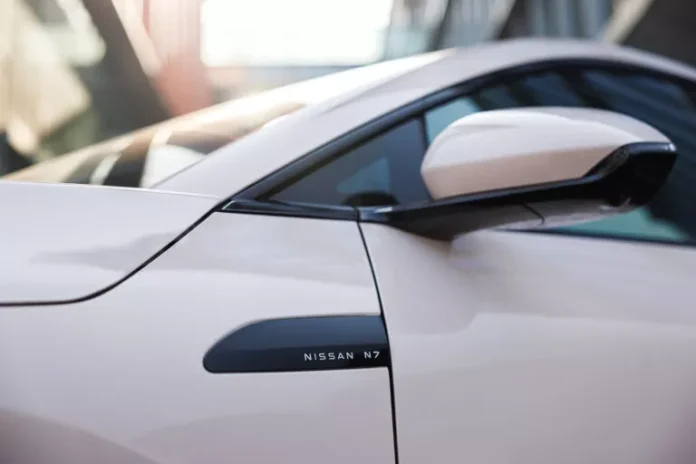
Nissan-N7-sedan

All attentions are glued to Nissan as the automaker is gearing up to make waves in the global auto market, not with a flashy sports car, but with a smart, affordable electric vehicle (EV) that could shake up the game for big players like Tesla and BYD.

Right now, electric cars are quickly becoming the future of driving. All over the world, more and more people are choosing EVs over traditional petrol or diesel vehicles, known as ICE (Internal Combustion Engine) cars. Why? They’re quieter, cheaper to run, and much better for the environment. And now, new models like Nissan’s N7 are also becoming more affordable.

Nissan’s N7: Photo Credit @Carscoops.com

The Nissan N7 is a sleek, mid-size electric sedan originally made for the Chinese market. It’s already winning hearts in China because of its good looks, budget-friendly price, and solid performance. And here’s the exciting part — Nissan now plans to export this car to other countries! While the United States is off the list for now, Nissan is eyeing places like Southeast Asia, the Middle East, and possibly Europe or Australia. That means more people around the world will soon have access to stylish, wallet-friendly EVs.

Interior of the Nissan N7: Photo Credit @Carscoops.com
Interior of the Nissan’s N7: Photo Credit @Carscoops.com

To make this happen, Nissan has teamed up with its Chinese partner, Dongfeng Motor Group, to form a new export-focused company. The new business has a capital of 1 billion yuan (about $140 million), with Nissan holding 60% of the stake. This move is seen as a smart way for the brand to bounce back during tough financial times, especially as it faces stiff competition from EV giants like Tesla, which dominate the premium EV market, and BYD, who lead in affordability.

But Nissan knows it can’t just ship the N7 straight out of China and expect everything to go smoothly. The car uses Chinese artificial intelligence software, which is restricted in some countries. So to avoid running into legal or tech problems, Nissan will tweak the car’s systems and invest in new software developed for international users. This work will be done by a company called IAT Automobile Technology.

Nissan’s N7: Photo Credit @Carscoops.com

Interestingly, the N7 isn’t entirely a Nissan creation. It’s based on another Chinese EV model, the Dongfeng eπ 007. This approach — rebranding or slightly modifying an existing car — helps Nissan cut costs and launch faster. And it seems to be a growing trend: Mazda is doing something similar with its EZ-6, which shares parts with Chinese cars too.

What does all this mean for the global EV market?

Simply put, it’s going to heat up. With more affordable EVs entering the scene, Tesla and BYD will face increased competition, especially in emerging markets where price is king. Consumers will have more options than ever, and governments pushing for greener transport will likely support these rollouts with tax breaks or incentives.

In Ghana, Nigeria, and across Africa, where EV adoption is still new but growing, affordable models like the N7 could be game-changers. As fuel prices stay unpredictable and power becomes more stable in urban areas, EVs might just become the next big thing on our roads.

So yes, electric cars are taking over. They’re not just for the rich anymore. And with moves like this from Nissan, the race is on to electrify the world — one budget-friendly battery-powered car at a time.

Nissan’s N7: Photo Credit @Carscoops.com