


- Advertisement -spot_img
Home Blog Page 14

OpenAI takes aim at Google Chrome with game-changing new web browser

0
OpenAI-Google

OpenAI, the company behind ChatGPT, is getting ready to launch its AI-powered web browser, and it could shake up the way we all surf the internet.

According to insiders who spoke with Reuters, the browser is set to roll out in the coming weeks and is designed to change how people use the web by combining browsing with artificial intelligence.

This move could put OpenAI in direct competition with Google’s Chrome browser, which currently dominates the global market with over 3 billion users and more than two-thirds of the browser market share. If OpenAI’s browser becomes popular with ChatGPT’s 400 million weekly users, it could also affect Google’s massive advertising business. Chrome helps Google track user behavior online to show more accurate ads — a major source of the company’s income.

Unlike traditional browsers, OpenAI’s new browser will keep many tasks inside a built-in chat interface, similar to ChatGPT, instead of sending users to other websites. That means users might be able to get answers, fill out forms, or even book reservations right within the browser — no need to click around.

The browser is part of a bigger plan by OpenAI to make its AI tools part of everyday life, both at work and at home. With the addition of this browser, users may soon have access to powerful AI agents that can handle online tasks automatically.

While OpenAI hasn’t officially confirmed the launch, this news comes after the company bought an AI hardware startup co-founded by former Apple designer Jony Ive for $6.5 billion and hired top engineers from Google’s Chrome team.

That said, OpenAI isn’t the only one racing to build AI-powered browsers. Other companies like Brave, The Browser Company, and Perplexity (which just launched its browser called Comet) are already working on similar projects.

Interestingly, OpenAI’s browser is being built on Chromium — the same open-source browser code Google uses for Chrome. That means it will look and feel familiar to many users, but with new AI features built in.

OpenAI considered simply creating a plug-in for Chrome but decided to build its browser to have more control over the features and data, especially user data, which is key for improving AI tools.

In short, OpenAI is stepping into a tough market dominated by Google, but with its growing user base and cutting-edge AI, it might just have what it takes to change how we browse the internet.

Copart or IAA: What’s your best bet when buying a used car overseas?

0

When it comes to buying a used car from overseas, especially if you’re targeting the Ghanaian market, two names instantly pop up like the last two standing in a high-stakes auction; Copart and IAA (Insurance Auto Auctions). These two titans dominate the salvage vehicle auction world, and for anyone serious about importing a vehicle to Ghana, one or both have likely played a role in your automotive journey. But here’s the million-cedi question: which one is the better bet?

Truth is, both platforms offer nearly the same thrill, an online battlefield where you bid for anything from mildly bruised sedans to mangled supercars that tell stories of speed, recklessness, or just plain bad luck. Ghana’s streets are flooded with these reborn machines. That sleek Toyota Camry or Honda Accord cruising past you in pristine condition? Odds are, it once sat on a Copart or IAA lot somewhere in the U.S., wearing damage like a war medal before getting a second lease on life here.

Let’s break it down

Copart, for many, is the go-to option. Why? It’s massive, with hundreds of locations across the U.S. and a diverse inventory. From flood-damaged cars to theft recoveries and minor collision cases, it offers a wide range of options. The bidding process feels like a video game—fast-paced, intense, and honestly addictive. The photos are usually detailed, and with tools like AutoCheck or EpicVIN reports, you get some insights into what the car went through. It’s got the name, the trust, and the sheer volume on its side.

IAA, however, isn’t far behind. In fact, some seasoned buyers swear by IAA for one reason: better deals. Because it’s less hyped than Copart, some gems slip under the radar and go for way less. Plus, IAA’s platform has improved over the years with enhanced photo quality, virtual engine-start videos, and bidding tools that give Copart a serious run for its money. IAA also tends to have more vehicles directly from insurance companies, which sometimes means less tampering or third-party flipping.

Now the cons—because it’s not all sunshine and spark plugs

Copart, due to its popularity, attracts a lot of global attention. Meaning? Higher competition and frequent overbidding. What should be a $2,000 car suddenly sells for $4,500, and by the time it lands at the Tema port, you’re already underwater. Also, beware of title scams. Not everything labeled “run & drive” truly runs or drives when it arrives. It’s a gamble, and many have lost.

IAA, while a sleeper pick, has its drawbacks too. Their fees can be unexpectedly high, and the user interface sometimes lacks the clarity Copart provides. Plus, depending on your shipping agent or buyer in the U.S., accessing certain IAA lots might be trickier—especially if you’re not using a licensed broker.

In the end, it boils down to what kind of buyer you are

If you’re new to the game and want volume, familiarity, and easier navigation, Copart might be your safe bet. If you’re a risk-taker looking for a bargain and know how to sniff out hidden treasures, IAA could be your goldmine.

But remember this: most vehicles imported into Ghana from the U.S. are salvaged or accidented, and they don’t come with a fairy tale ending, unless you write it yourself. Whether it’s a cracked chassis, hidden flood damage, or airbags that popped and were never replaced, the devil is always in the details.

So whichever platform you choose, arm yourself with information, a trustworthy agent, and a good mechanic when the car finally lands. After all, you’re not just buying a car, you’re buying a past. And you better make sure it’s one worth rewriting.

Kia’s next Telluride looks tougher and sharper than ever

0
Kia-Telluride-Image-Williams Kia

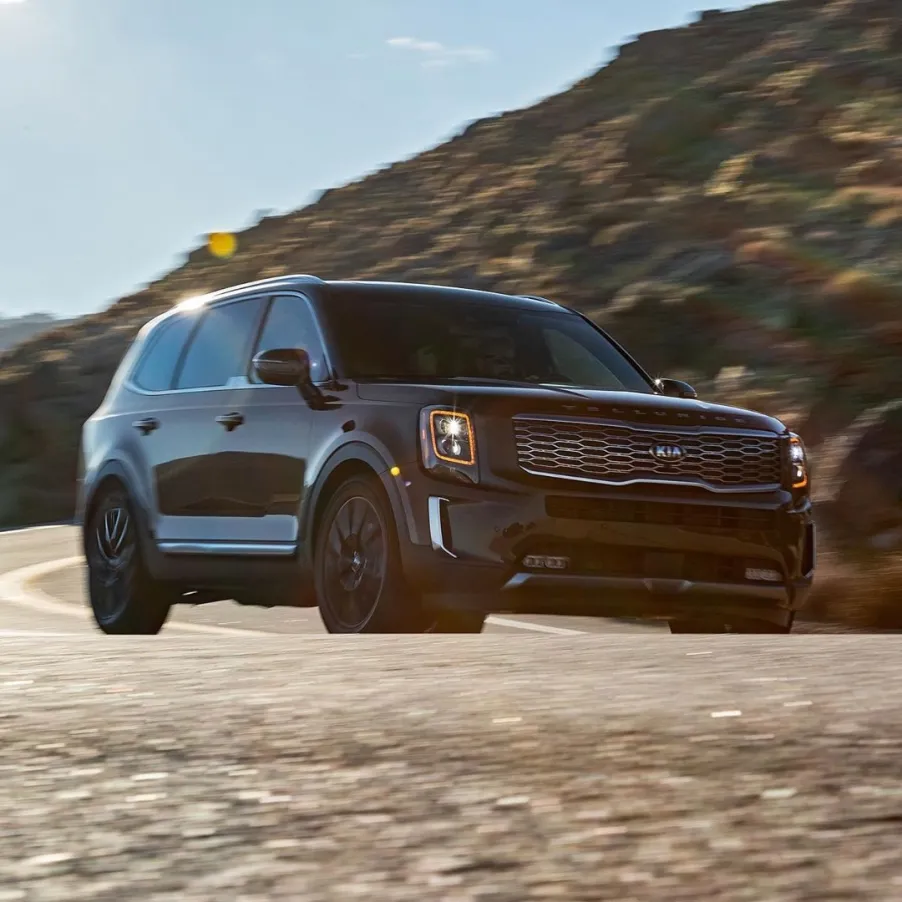
Kia’s flagship SUV, the Telluride, is back and it’s looking tougher and sharper than ever. The 2025 model builds on the success of its award-winning predecessors with a bold new design, smarter tech, and a surprising twist: a hybrid version is on the way.

Design that means business

Kia-Telluride-Image-Williams Kia

Spy shots of the next-gen Telluride reveal a more sculpted and muscular body, with slimmer headlights and taillights that give it a modern, aggressive look. The rugged X-Pro variant stands out with chunkier tires, raised ground clearance, and blacked-out trim, perfect for drivers who want a bit of off-road flair. These changes aren’t just for show; they improve aerodynamics and hint at better fuel efficiency too.

Powertrain: The Hybrid revolution begins

2020-Kia-Telluride-SX-AWD-Image-Motor Biscuit

For the first time ever, Kia is introducing a hybrid version of the Telluride. Codenamed LQ2, this model is expected to use a 2.5-liter turbocharged engine paired with an electric motor, delivering around 300 horsepower. That’s a big step toward sustainability without sacrificing performance. It’s also a smart move as more buyers look for large SUVs that are both powerful and fuel-efficient. According to The Korean Car Blog, this hybrid setup may share technology with the Hyundai Palisade, making it a strong contender in the growing hybrid SUV market.

Tech and safety upgrades

kia-telluride-2025-feature-showcase-second-row-first-class-Kia

Inside, the 2025 Telluride is all about smart features. A 12.3-inch digital instrument cluster is now standard on the X-Line and X-Pro trims, along with new Terracotta leather upholstery and gloss-black accents. Kia has also added second-row side-impact airbags and its Highway Driving Assist 1.5 system across all trims, making safety a top priority. These updates were highlighted in a Cars.com breakdown of what’s new for 2025.

Trim levels and pricing

2025-kia-telluride-front-view-Image- Motortrend

The Telluride continues to offer a wide range of trims, from the base LX to the luxurious SX-Prestige. Prices start at around $37,585 and go up to $54,780 for the fully loaded SX-P X-Pro. The X-Pro variant now tows up to 5,500 pounds,500 more than before, making it a great choice for families who need muscle and comfort in one package.

Why it matters

The Telluride has been a hit since its debut, especially in North America. Its mix of space, style, and value made it a favorite among families. Now, with a sharper design and a hybrid option, Kia is showing it’s ready for the future. The 2025 Telluride isn’t just an update, it’s a statement.

Whether you are transporting your kids, camping gear, or just want to look good in traffic, the new Telluride is shaping up to be one of the most exciting SUVs of the year. Ready to take it for a spin? You might want to get in line early.

Gemini AI can now read your WhatsApp messages, texts, and view call logs on Android

0
Google Gemini

If you’re an Android user or planning to get an Android-powered device, here’s something you should know and probably be worried about if your privacy is paramount to everything else you do.

Google’s powerful AI assistant, Gemini, just got a major update, and it’s raising eyebrows. Announced in an email sent out to Android users earlier this month, the update officially rolled out on June 7, 2025, allowing Gemini to access apps like WhatsApp, Phone, Messages, and even Utility apps—even if you never gave it explicit permission to do so in the past. While this change sounds like a cool feature that could make your digital life easier, privacy experts and users alike are warning that it’s also quietly an intruder.

The Google AI assistant is designed to help with everyday tasks: it can summarize your emails, help write documents, and even search through your files or browser to offer intelligent suggestions. With this update, Gemini is trying to become your digital best friend, working in the background across your entire phone. But here’s the catch: the assistant can now silently peek into your messages, calls, and more unless you take the time to adjust your settings manually. Even worse, the email Google sent out didn’t clearly explain how users can stop this from happening.

If you’ve already installed Gemini, you can limit what it sees, but it takes some effort. Here’s what you can do to limit its access:

  1. Open the app, tap the profile icon in the top-right corner,
  2. Go to the “Apps” section, and manually uncheck apps like WhatsApp and Messages.
  3. You should also switch off “Gemini Apps Activity” to prevent it from storing your usage data.

    However, note that even with this setting off, Gemini can still retain your data for up to 72 hours. If you want to go a step further, you can disable the app entirely through your phone’s settings. For tech-savvy users, there’s even the option to completely uninstall Gemini using tools like Android Debug Bridge (ADB), though that requires some advanced knowledge.

However, there’s also some good news for those who haven’t installed the Gemini app before. If you’ve never downloaded the Gemini app, this update doesn’t apply to you—yet. But with Google’s clear push to integrate AI into every corner of your phone, from Gmail and Docs to Chrome and Drive, it’s only a matter of time before Gemini or something like it becomes a default part of your Android experience. And just like Apple’s Siri or Microsoft’s Copilot, Gemini is expected to become more deeply embedded in how we use technology daily.

In the face of these changes, it’s more important than ever to stay aware of what permissions you’re giving out. If you’re serious about privacy, you might even want to explore alternative operating systems like LineageOS, GrapheneOS, or /e/OS, which are designed to minimize data collection and tracking.

While Gemini’s new powers might offer convenience, they also come with a cost—your privacy. Make sure you understand what you’re signing up for and take control of your phone before Gemini starts doing more than you bargained for.

Drivers cautioned against reckless driving as deadly fog, rain hit Eastern Region

0
rainy- season-imae credit iNews

As the rainy season deepens across Ghana, the Eastern Region, especially areas around Aburi, is experiencing a unique weather twist, dense fog combined with heavy rain. This mix is creating hazardous driving conditions, prompting safety warnings from both weather experts and road authorities.

According to GMET, the Ghana Meteorological Agency, recent mornings in the Aburi Hills and nearby towns have seen low visibility due to thick fog, often dropping below 200 meters. When paired with slippery roads from rainfall, this fog makes driving especially dangerous. GMET advises motorists to delay travel during early hours, use headlights, and reduce speed to avoid accidents.

The National Road Safety Authority (NRSA) has also issued strong cautions to drivers navigating the Eastern Region’s hilly terrain. The NRSA notes that foggy conditions around Aburi, Mamfe, and Akuapem Ridge increase the risk of head-on collisions, especially on narrow, winding roads. In recent weeks, the NRSA has conducted joint safety checks with local police and insurance teams to educate drivers and enforce vehicle standards.

image credit-citinews room

As Angel Online reports, NRSA Director-General Abraham Amaliba has called for urgent interventions to improve safety infrastructure in the region. This includes fixing bridges without railings and addressing illegal parking along highways like the Accra–Nkawkaw–Kumasi stretch, which passes through Apedwa Junction, a known accident hotspot.

To stay safe during foggy and rainy weather, drivers are urged to use low-beam headlights to improve visibility without blinding others. It’s best to avoid overtaking on foggy hills and curves, and always check brakes and tires before traveling.

Maintaining a safe distance from the vehicle ahead is crucial, and if visibility becomes too poor to continue, pulling over safely can be the best decision. As GNA highlights, NRSA teams have also removed unauthorized vehicle lamps that emit piercing rays, which can blind oncoming drivers in foggy conditions.

The Eastern Region’s scenic roads are beloved by tourists and locals alike, but during the rainy season, they demand extra caution. GMET continues to monitor weather patterns and issue updates, while the NRSA is ramping up enforcement and public education.

So whether you’re heading to Aburi Gardens or commuting through Mamfe, remember: fog may blur your view, but safety should always be crystal clear. Slow down, stay alert.

Voices from the Road

Drivers across the Eastern Region are adjusting to the challenging mix of rain and fog. Many report delays in travel due to low visibility during early morning commutes, especially on routes around Aburi and Mamfe. Public transport operators, private vehicle owners, and pedestrians alike emphasize the importance of early preparation, caution, and clear road markings to improve safety.

Transport officials continue to monitor road conditions and encourage drivers to stay updated on weather alerts issued by GMET, while the National Road Safety Authority urges road users to follow safe driving practices during this rainy stretch.

5G Revolution: The secret tech behind smart cities and safer roads

0

In today’s fast-moving world, one silent force is changing how we live and drive 5G. It’s not something you see or hear, but it’s working quietly behind the scenes to shape the future of smart cities and self-driving cars.

According to TechJournal, 5G is much faster than older networks like 4G and can connect more devices at once. It also responds super quickly, almost instantly. This speed is a game-changer in busy cities. It means traffic lights, sensors, and even trash bins can share data without delay. That helps city systems run smoother and smarter.

How 5G helps cars think faster

Impact-Of-5G-On-IoT-Integration- image credit Tech Journal

For self-driving cars, fast thinking is everything. These cars use sensors and cameras to understand the world around them. But they also need to talk to road signs, other vehicles, and city systems in real time. That’s where 5G steps in. As Automotive Technology explains, 5G supports a system called V2X—Vehicle-to-Everything. It allows cars to send and receive data instantly. That means a car can detect a hazard, change lanes, or stop for a pedestrian faster than ever before.

Smart cities in action

5g-enables-smart-city-innovation-image credit-bee smart city

Cities like Barcelona are already using 5G to help drivers find parking faster and reduce traffic jams. With sensors built into the streets and parking lots, cars can get real-time directions to open spaces, saving time and fuel. Smart traffic lights adjust to traffic flow, making rush hour a little less stressful. These systems also help save energy and lower pollution.

Better for the environment

Image credit-Forbes

5G isn’t just about speed, it’s also helping the planet. When cars drive smarter and take better routes, they use less fuel. That means fewer greenhouse gases and cleaner air. Smart cities powered by 5G can also use energy more efficiently, making urban areas more eco-friendly.

Challenges and Concerns

Of course, building 5G networks takes a lot of money and planning. There are also worries about privacy and cybersecurity, since so many devices are connected. But experts believe the benefits are worth it. The new tech helps us live safer, cleaner, and more connected lives.

The future starts now

5G is already here, quietly powering the systems behind your city streets and vehicles. It’s making life easier, from avoiding traffic jams to watching movies in the car without buffering. And for self-driving cars, it’s the key to safety and fast decision-making.

5G and the rise of edge computing in cars

edge-computing-in-an-autonomous-car-image credit-loT

One of the most exciting parts of 5G is how it supports edge computing, a system where data is processed close to where it’s created, instead of being sent to faraway servers. This is a big deal for self-driving cars. Instead of waiting for cloud servers to respond, vehicles can make decisions instantly using nearby 5G-powered edge nodes.

As Automotive Technology explains, this setup reduces delay and boosts safety. For example, if a car detects a sudden obstacle, it can react immediately without waiting for instructions from a central server. This makes driving smoother and safer, especially in busy areas or during emergencies.

Edge computing also helps with over-the-air updates, meaning car software can be improved remotely. Just like your phone gets updates, your car can too, adding new features or fixing bugs without visiting a service center. It’s fast, easy, and keeps vehicles up to date with the latest tech.

You may not notice 5G, but it’s driving real change. It’s helping cities run smarter and making cars safer and more fun to ride in. That’s the silent signal revolution and it’s only just getting started.

Creators need to do more to earn as YouTube revises monetisation policy

0
The photo used to illustrate the story

In an effort to encourage creators to produce interesting and educational material, YouTube is stepping up its originality agenda by updating its YouTube Partner Program (YPP) monetization policy, which will take effect on July 15. This will deter producers from releasing mass-produced, unoriginal, and inauthentic content.

According to Renee Richie, YouTube’s Creator Liaison, the company is updating its YPP regulations to more accurately detect repetitive or mass-produced content. Artificial intelligence (AI)-generated films, low-effort compilations, and automated tutorials—content that is already prohibited by YPP policies—will be more readily identified and excluded from earning money.

YouTube’s new policy will ban content that heavily relies on reused clips, text-to-speech narration, or AI-generated visuals without adding original commentary or creative value. The policy change will not ban reaction or clip formats, but creators must now ensure their uploads offer original value.

YouTube’s core monetisation thresholds remain unchanged, with creators requiring at least 1,000 subscribers and either 4,000 valid public watch hours in the past 12 months or 10 million valid Shorts views within the past 90 days. The aim is to refocus the platform on authentic, high-quality content and reward creators who build trust with their audience.

However, YouTube has not specified what consequences creators might face for violating the new rules. There is no mention of penalties, suspensions, or strikes under the updated terms.

YouTube monetization requirements

Monetizing on YouTube requires following various policies, including Community Guidelines, Terms of Service, Copyright, Rights Clearance Adjustment, and program policies. These apply to anyone in or applying to the YouTube Partner Program and YouTube Shorts monetization policies. Content monetizing with ads must follow advertiser-friendly guidelines.

First-time users must accept the Commerce Product Module (CPM) before turning on individual features to earn revenue from fan funding features. Monetizing with fan funding features requires following Commerce Products monetization policies. Reviewers regularly check if monetizing channels follow these policies, and more information about how they enforce these policies can be found.

The YouTube Partner Program (YPP) enables content providers to make money through YouTube monetization. 1,000 members, 4,000 watch hours in the previous 12 months, or 10 million Shorts views in 90 days are requirements for eligibility. Ads, channel memberships, Super Chat and Super Stickers, and YouTube Premium revenue are all ways for creators to make money. Using YouTube’s merch shelf, qualified channels can also sell branded goods.

In addition to YPP, marketers can offer sponsored content to authors, which frequently pays more than ad revenue. Google AdSense pays earnings every month after the account reaches the $100 mark.

Why the Toyota RAV4, new or used, is the top choice for new drivers in the SUV world

0
sixth-gen-2025-toyota-rav4-image credit autoevolution

A perfect start for first-time drivers

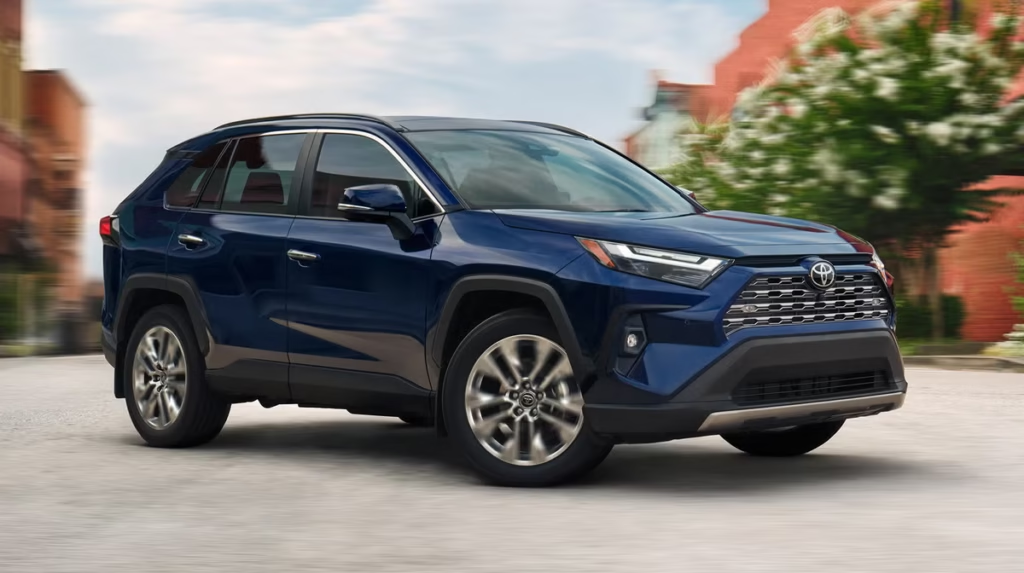
Choosing your first car is a big deal. It’s not just about getting from one place to another, it’s about feeling safe, confident, and comfortable behind the wheel. That’s why the Toyota RAV4 has become a favorite for new drivers. Whether you’re a teenager getting your first set of keys or an adult learning to drive later in life, the RAV4 offers a smooth and easy driving experience. It’s not too big to handle, but it still gives you the space and strength of an SUV. According to SlashGear, the RAV4 is one of the best SUVs for beginners because it’s simple to drive, has great visibility, and comes with helpful features that make learning to drive less stressful.

Safety that builds confidence

2025-toyota-rav4-image credit- car and driver

Safety is one of the most important things for new drivers and the RAV4 delivers. Even older models come with basic safety tools like backup cameras and anti-lock brakes. But newer models go much further. The 2025 RAV4 includes Toyota Safety Sense 2.5+, a full package of smart safety features. These include a Pre-Collision System with Pedestrian Detection, which warns you if someone or something is in your path and can even stop the car for you. It also has Lane Departure Alert with Steering Assist, which helps keep you in your lane, and Dynamic Radar Cruise Control, which adjusts your speed to keep a safe distance from the car ahead. According to Toyota of Kirkland, these features work together to help prevent accidents and give new drivers peace of mind.

Trusted to go the distance

the-toyota-rav4s-engine-and-build-quality-image credit -Slash Gear

Reliability is another reason the RAV4 stands out. Many owners report driving their RAV4s for over 200,000 miles with only regular maintenance. Some even reach 300,000 miles or more. That means if you buy a used RAV4 in good condition, it can still last you for many years. According to The RAV4 Guide, the RAV4 is one of the longest-lasting compact SUVs on the market. It’s built with quality parts and doesn’t break down easily, which is great news for new drivers who want a car they can count on.

Comfort meets practicality

sixth-gen-2025-toyota-rav4-image credit autoevolution

The RAV4 is designed to be both comfortable and useful. Inside, it has roomy seats, a quiet cabin, and plenty of space for passengers and cargo. You can fold down the back seats to make room for groceries, sports gear, or luggage. It’s also easy to get in and out of, which is helpful for drivers of all ages. The size of the RAV4 is just right,it’s big enough to feel safe on the road, but not so large that it’s hard to park or steer. With available all-wheel drive and good ground clearance, it can handle rain, gravel, or even light snow, making it a smart choice for different driving conditions.

Technology made simple

Image credit-Toyota Ireland

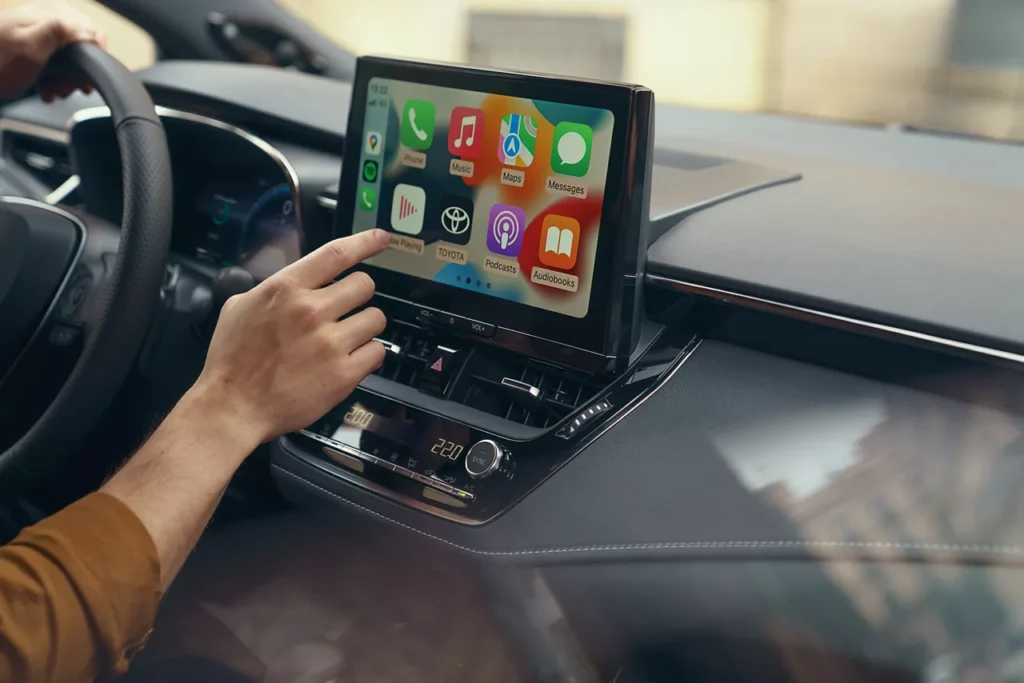
New drivers often want technology that’s easy to use and the RAV4 delivers. The dashboard is clean and simple, with a touchscreen that supports Apple CarPlay and Android Auto. That means you can connect your phone to play music, use maps, or send messages without taking your eyes off the road. Higher trims offer extras like wireless charging, a digital rearview mirror, and a larger infotainment screen. According to Toyota Canada, the 2025 RAV4 also includes voice controls and smart navigation tools that help you stay focused while driving.

Saving on fuel, not just style

Fuel economy is another big win for the RAV4. The gas-powered version gets around 30 miles per gallon, which is great for an SUV. If you go for the hybrid model, you can get up to 40 mpg, saving even more money at the pump. According to Street Toyota, the RAV4 Hybrid is one of the most fuel-efficient SUVs in its class. That means fewer stops for gas and more money in your pocket , something every new driver can appreciate.

Whether you’re buying new or used, the Toyota RAV4 is a smart, safe, and reliable choice for anyone starting their driving journey. It’s easy to drive, packed with helpful features, and built to last making it the perfect SUV for learning the road and enjoying the ride.

Are you in Nigeria? These simple steps will make your data last longer amid high costs

0
Data bundle surge in Nigeria

In Nigeria today, mobile data has become one of the most valuable digital resources—almost as essential as food and electricity. Whether you’re browsing social media, replying to WhatsApp messages, watching YouTube, or just reading the news, every tap on your phone is burning through precious megabytes.

The frustration of loading a page only to be met with the dreaded “You do not have an active data plan” message is one that almost every Nigerian can relate to. And with the way data prices keep rising, it’s no longer just annoying—it’s a financial burden.

Across the country, data bundles are disappearing faster than ever. A 1GB daily plan that used to last you the whole day can now vanish within a couple of hours. Meanwhile, telcos like MTN, Airtel, Glo, and 9mobile have quietly adjusted the prices and validity of their data plans—some offering less value for more money.

For example, ₦500 might now only get you 500MB to 1GB of data, depending on the network, and if you’re not careful, that bundle could be gone before you even finish streaming one episode of your favorite series.

The reality is that most Nigerians rely heavily on mobile data for everything—from business and remote work to social connections and even school assignments. And in a country where electricity is unreliable and home Wi-Fi is still a luxury for many, data is the primary link to the online world. So if you’ve ever asked, “Why is my data running out so fast?” or “How can I make this bundle last longer?”—you’re not alone.

The good news is that there are smart, practical steps you can take to stretch your data further. In this guide, we’ll explore simple changes you can make to your settings, your apps, and your habits to make your data last longer—and save yourself money in the process.

Whether you’re a student, a working professional, or just someone trying to stay online without going broke, these tips are for you. Mind you, these settings are relative to anybody, regardless of country. One of the simplest things you can do is to;

  1. Turn on Data Saver Mode
    This feature helps stop background apps from using up your data when you’re not even using them. On Android phones, you’ll find it under Settings > Network & Internet > Data Saver.

    For Tecno and Infinix users, you can also use the built-in Phone Master app. If you use an iPhone, go to Settings > Mobile Data > Mobile Data Options and switch on Low Data Mode. This way, apps won’t sneak away with your data when you’re not looking.
  2. Monitor how much data each app is using
    Some apps are surprisingly greedy and consume data even when you’re not actively using them. On Android phones, go to Settings > Network & Internet > SIMs or Internet > App Data Usage. You’ll see which apps are using the most data. Once you identify the culprits, you can limit them or delete the ones you don’t use often.
  3. Use Lite version apps
    Using Lite versions of popular apps like Facebook, Instagram, and Messenger is another great way to save data. These versions are designed to work better on slower networks and use far less data. They’re faster, smaller in size, and do all the basics without loading heavy images and videos. You can easily find them on the Google Play Store or App Store.
  4. Check your Auto-Play settings for videos and turn them off
    Speaking of videos, autoplaying videos on social media can silently drain your data. Whether you’re scrolling on Facebook, Instagram, or X (formerly Twitter), make sure you turn off autoplay in the settings. For Facebook, go to Settings > Media > Autoplay and choose “Never Autoplay Videos.” Other platforms have similar options. This change alone can save you hundreds of MBs each day.
  5. Prioritize downloading content over streaming online
    Instead of streaming everything on mobile data, try downloading videos and music while you’re connected to Wi-Fi. Apps like Netflix, YouTube, Spotify, and Apple Music allow you to save content for offline use. If you know you’ll need entertainment on the go, download it at home or at work where you have Wi-Fi access.
  6. Disable Auto-updates on mobile data
    Also, turn off automatic app updates on mobile data. Updating your apps can eat up 500MB or more without you even noticing. On Android, go to the Play Store, tap Settings > Network Preferences > Auto-update apps, and select “Over Wi-Fi only.” On iPhones, go to Settings > App Store > Mobile Data and turn off Automatic Downloads.

In today’s Nigeria, where the economy is tight and prices keep rising, being smart with your data usage isn’t just a tech skill—it’s survival. By taking a few simple steps and choosing the right bundle, you can save both data and money. Every megabyte matters, so make yours count.

Honda Prelude is back — classic style meets hybrid power

0

After more than 20 years, the Honda Prelude is back, with fresh style and hybrid power. This famous two-door coupe, loved by fans since the 1980s, is now heading into the future. It’s expected to hit the roads in late 2025.

Honda first stopped making the Prelude in 2001. But now, they’re blending old-school looks with new technology. According to NewsBytes, the new model features a 2.0-liter engine plus electric motors, giving it between 200 and 240 horsepower. That means better fuel economy and strong performance.

Prelude-Concept-image credit-Saratoga Honda

On the outside, the Prelude keeps its sporty shape but adds modern touches like LED lights and bold colors such as Rallye Red and Crystal Black Pearl. Inside, it’s all high-tech with leather seats, a 12.3-inch touchscreen, wireless charging, and a powerful Bose sound system.

A standout feature is Honda’s new S+ Shift mode. It mimics manual gear changes and adjusts engine sounds to boost driving excitement. As The Economic Times explains, this system is built to “stimulate all of the driver’s senses.”

Honda’s Sensing 360 suite adds safety features like Lane Keeping Assist, Emergency Braking, and Adaptive Cruise Control. This helps drivers stay safe on busy roads or relaxed on long drives.

2026hondapreludehybridcoupe-Image credit-Motortrend

Three trims will be available: EX, Touring, and Elite. Pricing isn’t official yet, but experts expect it to range from $49,000 to $60,000. Touring is likely to offer the best mix of features and value.

MotorTrend also states that, the new Prelude shares its platform with the Civic Hybrid but features changes like a shorter wheelbase and adaptive suspension for better control. It’s sporty, but still smooth.

Drivers can choose from Comfort, GT, Sport, and the exciting new S+ mode. As Pontos Auto reports, the car adapts to road conditions, giving a great ride even on rough streets.

Inside, sporty bucket seats with contrast stitching give support and style. The gear selector and mode switches are easy to reach, giving the cabin a driver-focused look.

The Prelude is also part of Honda’s clean-energy goals. As iDriveSoCal says, the brand is celebrating 25 years of hybrids and aims for carbon neutrality by 2050.

Performance is impressive: early estimates say 0–60 mph in about 6.5 seconds and a top speed around 112 mph. It competes with sporty rivals but offers better fuel efficiency.

2026 hondaprelude hybrid coupe-Image credit-Scholfield Honda

And here’s a fun nod to history, Honda first introduced the Prelude in 1978. It was one of the first cars to feature four-wheel steering and helped shape Honda’s sporty image. Now, the 2026 model brings that legacy into a new era.

Honda’s smart engineering history

The Honda Prelude has always been more than just a cool car, it’s been a way for Honda to show off new ideas. In the past, it introduced smart features like four-wheel steering and VTEC, which made it fun to drive and helped shape Honda’s sporty image.

Now, the new 2026 Prelude continues that tradition. Its hybrid engine and S+ Shift mode bring strong power and a fun driving feel, while also saving fuel. As iDriveSoCal explains, Honda wants to keep driving exciting even as more cars become electric.

This new Prelude mixes old memories with new technology, proving that smart engineering can also be fun.