


- Advertisement -spot_img
Home Blog Page 10

Self-Driving Cars Explained: History, challenges, and the future of autonomous vehicles

0
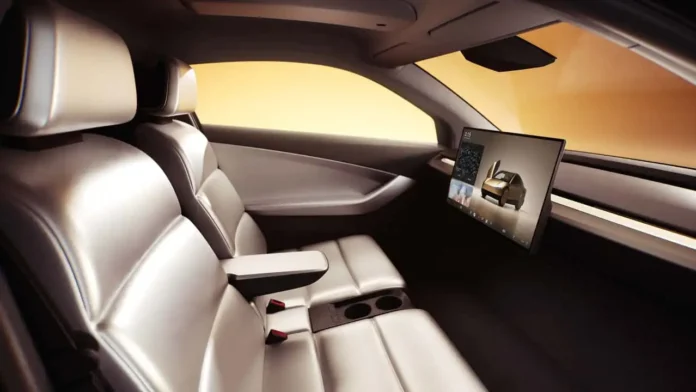
Tesla cybercab comes without a steering wheel. Source: Inside EVs

The car industry has undergone significant changes over the years, with new technology and opportunities expected to continue in the coming decades. Just picture yourself sitting in a moving vehicle that has no driver, yet moving and making the right turns and stops, all by itself. This innovation has completely shifted driving dynamics, bringing into the scene an entirely new perspective to driving. These advanced vehicles use sensors, cameras, and advanced AI algorithms to enhance driving decisions, accelerating their growth through advancements in computer vision, LiDAR technology, and AI.

The science behind self-driving cars

Autonomous vehicles (AVs) are revolutionizing transportation by eliminating the need for human drivers, allowing for more efficient time spent in the car. This significant advancement in modern transportation transitions from assistive technologies to fully self-navigating systems, significantly impacting everyday life and city function.

History of autonomous vehicles

ADAS development began in the 1920s with cruise control in 1948. Japan’s Tsukuba Mechanical Engineering Laboratory pioneered semi-autonomous driving in 1977, followed by Carnegie Mellon’s Navlab and the ALV project in the 1980s. The Navlab 5 made history in 1995 by completing a coast-to-coast autonomous journey across the U.S.

The U.S. government invested $650 million in the National Automated Highway System in 1991, which led to a successful 1997 demonstration. Delphi conducted an autonomous drive of over 5,400 km across 15 states, navigating 99% of the route without human intervention. Europe joined the automation race between 2016 and 2018 through the CARTRE and SCOUT initiatives, which influenced the 2019 STRIA Roadmap.

Google launched a project in 2009 intending to introduce AVs by 2020, while Uber and Volvo introduced their third generation of AVs. Apple’s “Titan” project, launched in 2014, aimed for AVs by 2016, but faced challenges and never came to life. New startup companies like Zoox have also launched AVs, with Zoox’s value increasing rapidly to $3.2 billion by 2018. Cities have allowed AV testing, and in the US, 20 states have allowed public road deployment and testing of AVs.

Waymo tested cars without safety drivers in 2017, but tragedy struck in 2018 when an Uber test vehicle fatally struck Elaine Herzberg. Waymo launched the first commercial robotaxi service in Phoenix and expanded operations within geofenced zones by 2020. Honda introduced 100 Legend Hybrid EX sedans equipped with Level 3 autonomous technology in March 2021.

Accidents statistics

In 2022, California registered 1,552 autonomous vehicles, driving 5.7 million miles and involved in 150 collisions. The crash rate was 96.7 per 1,000 AVs and 26.3 per million miles traveled. Between June 2024 and March 2025, there were 570 reported crashes involving automated driving systems in the U.S., with California reporting the highest number, 761. Rear-related damage dominates crash reports, accounting for over 35% of all reported damage. Passenger cars were the most common collision partners in 1,208 reported ADS crashes, accounting for 489 incidents. Despite the frequency, 1,083 cases reported no injuries, with only one fatality recorded.

Tesla Cybercab comes without a steering wheel. Source: Inside EVs

But rather than uncertain technology, human behavior around autonomous vehicles (AVs) frequently results in collisions. Impatient drivers, bikers or e-scooters who misjudge AV stopping patterns, and distracted drivers who gently rear-end are some of the causes. Just 10 out of 150 AV crashes in 2022 featured e-scooters, bicycles, or pedestrians; the remaining collisions involved other vehicles. Although AVs often adhere to protocol, small errors might turn into fatal disasters.

Societal and cultural acceptance

Autonomous vehicle (AV) adoption is influenced by public perceptions of safety and trust, which can impact public approval. A US survey study by Casley et al. examined the impact of safety, technological cost, and liability issues on AV adoption. Bazilinskyy et al. (2015) conducted three surveys in 112 countries with 8862 respondents to estimate public acceptance of AVs. Results showed that people from low-income countries are more likely to be positive towards AVs than those from high-income countries. However, high-income countries were more concerned about software failure and developed countries were less comfortable with vehicle transmitting data.

Willingness to pay is a key factor for the success of any new technology, especially in the initial state where the cost is high. Previous surveys show that only 60% of people are willing to pay more for AVs, with AVs being more attractive to people who make long trips and live in countries with high accident rates.

Ioniq 5 robotaxi

Surveys show that males are more optimistic about AVs than females, with 19% fully AVs compared to 12.4% of females. However, females have higher levels of concern about fully AVs and are more comfortable with higher levels of automation. Females are more concerned about the risks of AVs, with an average 3/5 of males believing AVs will increase safety compared to 2.37/5 of females.

Future of self-driving/autonomous vehicles

Automakers are being pushed by consumer demand to implement more automation and advanced driver-assistance systems (ADAS), which could increase passenger car sales by $300 to $400 billion by 2035. The use of AVs may result in fewer cars on the road, fewer collisions, calmer cities, and lower emissions. Urban livability would be improved by features like automated logistics and the removal of parking costs.

Only 4% of new cars are anticipated to have Level 3 or greater autonomy by 2030, indicating a gradual but steady shift. AVs have the potential to transform workplaces, industries, and commuter habits, but this development necessitates infrastructure improvements, public support, legal reform, and a defined framework for accident liability.

2025 Prius battery replacement: What it really costs to stay green

0
image credit-Fix and drive-Yo- car

As the world continues to embrace eco-friendly driving, hybrid cars like the 2025 Toyota Prius remain a top choice. But behind the silent ride and reduced emissions, some Prius owners are learning that going green might be more expensive than they expected.

The issue? Battery replacement. The hybrid battery is at the heart of every Prius, helping power the car efficiently by switching between electric and gasoline modes. These batteries usually last 8 to 10 years, but when they wear out, the price of replacing them can be shocking.

2025 prius battery-image credit-icartea.com

According to TopSpeed, the cost of swapping out a Prius battery in 2025 ranges from $2,000 to $8,000, depending on the model, battery condition, and labor fees. The average price for an original battery pack alone falls between $2,300 and $3,600, while installation adds another $500 to $1,000. In cases of severe damage, some owners have reported bills nearing $8,000. Since Toyota does not offer partial replacements, drivers must replace the entire 0.91 kWh lithium-ion pack when performance drops.

For many, that’s a big expense,especially when the car’s purpose is saving money on fuel.

image credit-Fix and drive-Yo- car

Thankfully, there are more affordable alternatives. Refurbished or remanufactured batteries are gaining popularity. These are used batteries that have been repaired and tested for quality, offering a budget-friendly solution. As noted by ABNewswire, companies like Greentec Auto offer these batteries for $1,000 to $2,000, with 12 to 36-month warranties. Some even offer mobile installation, where technicians come to you no towing needed.

Still, installation should be handled carefully. Prius batteries run at over 200 volts, which can be dangerous if mishandled. Certified hybrid technicians are the safest route, they offer diagnostics, labor warranties, and peace of mind.

And there’s more good news: if your 2025 Prius is still under warranty, you might not have to pay anything. Toyota offers a 10-year or 150,000-mile warranty on hybrid batteries. Before reaching for your wallet, check with your dealership, you could qualify for a free replacement.

To delay battery replacement, drivers can adopt a few smart habits. Regular driving helps balance battery cells, smooth acceleration supports the regenerative system, and keeping cooling fans clean prevents overheating. Parking in the shade during hot weather also helps.

How to spot battery failure early

2025 prius battery-image credit-icartea.com

Catching hybrid battery problems early can help Prius owners avoid expensive repairs and keep their cars performing efficiently. Reduced fuel efficiency is often the first noticeable sign; when the battery weakens, the vehicle relies more on the gas engine, leading to lower mileage. Another common warning is the appearance of dashboard alerts, such as the “Check Hybrid System” or a red triangle warning light. These typically signal battery imbalance, overheating, or deteriorating cells.

Fluctuating battery charge levels may also raise concerns. If the battery gauge jumps between full and empty in short periods, it may mean the battery cells aren’t holding a consistent charge,a classic symptom of imbalance. Some owners notice a change in acceleration, especially if the car feels sluggish or slow to respond. This happens because the battery fails to deliver sufficient power during transitions between electric and gas modes.

As the battery declines, the gas engine might run more often or kick in at lower speeds, creating louder engine noise or unusual behavior. Electrical glitches can also develop dim lights, slow window controls, or flickering displays may reflect weakening battery output. In warmer climates, a continuously running battery cooling fan could point to overheating as the battery struggles to stay within safe temperature limits.

Spotting these symptoms early and consulting a certified hybrid technician for diagnostic checks can help prevent complete failure and extend the life of your Prius.

The Prius remains a symbol of green driving, but staying eco-friendly means knowing what’s under the hood. Battery health, smart choices, and timely maintenance are the keys to keeping your ride clean, efficient, and affordable.

This battery leaves everything else in the dust: New tech delivers 12-minute charging and 310,000-mile lifespan

0
ElevenEs company

In a major leap forward for electric vehicle technology, Serbian company ElevenEs has introduced the Edge574 Blade Cell, a cutting-edge battery that’s set to transform the EV industry. This innovative power source boasts ultra-fast charging speeds and exceptional lifespan, offering a glimpse into the future of clean, convenient, and long-lasting electric mobility.

ElevenEs Edge574

Imagine plugging in your electric car, grabbing a quick coffee, and coming back to find your battery charged enough to take you hundreds of miles. Sounds futuristic, right? Not anymore. Serbian tech company ElevenEs has just shaken up the electric vehicle (EV) world with a breakthrough innovation, the Edge574 Blade Cell. This next-gen battery doesn’t just promise speed and endurance; it could completely redefine the way we think about EVs.

The biggest complaint many drivers have about EVs? Charging time. But the Edge574 Blade Cell flips the script. According to ElevenEs, this new battery can charge up to 80% in just 12 minutes — that’s roughly one mile of range added every second. No more overnight charging or waiting in line for hours at busy stations. With this tech, the EV experience could become as quick and convenient as fueling a gas car.

But this battery isn’t just fast — it’s built to last. With a reported lifespan of up to 310,000 miles, the Edge574 outperforms many traditional combustion engines. That means fewer battery swaps, less waste, and more money saved over time. It’s not just smart for your wallet — it’s smart for the planet.

The technology making it possible

At the heart of this leap forward is LFP — lithium iron phosphate chemistry — long known for its safety, stability, and lower cost compared to other battery types. While LFP hasn’t always matched up in energy density, ElevenEs has managed to squeeze out peak performance through clever engineering.

Electric Vehicle at a charging station

One standout feature? The “blade” design. This thin, flat cell shape isn’t just sleek — it fits better inside EVs, making for more efficient use of space. It also aligns with next-gen vehicle structures like Cell-to-Pack (CTP) and Cell-to-Body (CTB) systems, which integrate the battery directly into the car’s chassis.

And it gets better: the Edge574 can handle extreme temperatures. It operates anywhere from -22°F to 140°F, and at freezing temperatures (32°F), it can still charge to 80% in just 25 minutes. That’s a huge win for drivers in colder regions where typical EVs tend to struggle.

Power to Match Performance

In terms of power, this battery is no slouch. A full pack of 210 cells can absorb a jaw-dropping 1 megawatt of charging power. That’s a dream scenario for high-speed charging networks, potentially cutting downtime to nearly nothing and bringing true convenience to EV ownership.

What It Means for the EV Future

With the Edge574, ElevenEs isn’t just joining the battery race — it’s making a serious play to lead it. This battery ticks every box: ultra-fast charging, long lifespan, thermal durability, and high energy efficiency. If it lives up to expectations in real-world use, this could be the battery that finally removes the biggest roadblocks to EV adoption.

And while it’s still early days, the buzz around this Serbian innovation is loud. If ElevenEs can scale this up for mass production, we might be looking at the start of a new era where electric vehicles are no longer the “future” — they’re just normal.

The Edge574 Blade Cell could be the battery that finally makes electric cars as easy to own and use as their petrol-powered predecessors. Fast, reliable, and built to last — what

DVLA modernizes vehicle registration—Here’s what it means for drivers across Ghana

0
Foster Akwasi Asante, Esq., Deputy Chief Executive of DVLA( Left) and Mr. Alok Singhal, Head- Sub-Saharan Africa, VFS Global ( right)-image credit-News Ghana

Ghana’s Driver and Vehicle Licensing Authority (DVLA) is shifting gears and it’s good news for drivers across the country. On July 17, 2025, the DVLA officially launched a new Ultra-Centre for vehicle registration and licensing in Accra, promising faster, more efficient, and more comfortable services for the public.

Located at Ring Road West, the Ultra-Centre was developed in partnership with VFS Global, a company known for streamlining public services through technology. The facility is designed to offer a premium experience, with digital tools that reduce wait times and improve accuracy. Services available include driver’s license renewal, foreign license conversion, international driving permits, and full vehicle registration.

Foster Akwasi Asante, Esq., Deputy Chief Executive of DVLA( Left) and Mr. Alok Singhal, Head- Sub-Saharan Africa, VFS Global ( right)-image credit-News Ghana

The launch marks a major step in DVLA’s modernization efforts. According to GhanaWeb, Deputy CEO Foster Akwasi Asante praised the initiative, saying, “DVLA alone cannot take on this mandate because the workload will definitely overwhelm us. We are happy to have such partners… Bringing the services closer to the doorsteps of our cherished customers not only shows the revenue of the state, but also provides the service in the convenience of our cherished customers.”

DVLA office-image credit-radio gold

The Ultra-Centre is just one part of DVLA’s broader digital transformation. Earlier this year, the Authority announced that vehicle registration for 2025 would begin on January 2. The process has been simplified into two stages. First, vehicle owners present their cars and customs documents at authorized testing stations for inspection. Then, they visit a DVLA office to validate documents and receive an invoice. In the second stage, they make payments, either in cash or electronically, and have their biometric details captured. After that, they receive their license plates, smart registration card, and roadworthiness certificate.

The new license plates will carry a “-25” suffix to mark the registration year, in line with the Road Traffic Regulations 2012 (L.I. 2180). DVLA has also emphasized that only original documents and the Ghana Card will be accepted for identification. To protect the public, the Authority is warning against the use of unauthorized middlemen, commonly known as “goro boys” who often charge illegal fees and provide fake documents.

What does this mean for Ghanaian drivers?

For many car owners in Ghana, registering a vehicle has long been a stressful experience. Long queues, confusing paperwork, and the risk of falling into the hands of “goro boys” have made the process frustrating and expensive. With the new Ultra-Centre and digital systems, DVLA is aiming to change that.

Drivers can now expect shorter wait times, clearer procedures, and more secure transactions. The introduction of biometric data capture and smart registration cards means your information is safer and harder to tamper with. Electronic payments also reduce the need to carry cash, cutting down on the risk of fraud.

Perhaps most importantly, the DVLA’s modernization gives drivers more confidence in the system. When services are transparent and efficient, people are less likely to seek shortcuts and more likely to follow the law. That’s good not just for individual drivers, but for road safety across the country.

As Ghana’s car population continues to grow, these improvements couldn’t come at a better time. Whether you’re a taxi driver, a private car owner, or someone buying your first vehicle, the new system is designed to make your experience smoother, safer, and more reliable.

The Oukitel WP15 5G is waterproof, dustproof, and lets you surf the internet for 7 days straight on a single charge

0

The Oukitel WP15 5G isn’t just another rugged smartphone, it’s a powerful survival tool wrapped in smart technology. Designed for people who live actively, work in demanding environments, or simply want a phone that won’t break under pressure, the WP15 blends strength, long-lasting power, and modern features in one solid package. With its bulky, armored build, this phone is waterproof, dustproof, and resistant to drops and shocks, making it a dependable choice for anyone tired of fragile devices that shatter or shut down with the slightest accident.

But where the Oukitel WP15 makes headlines is its extraordinary battery life. It packs a gigantic 15,600mAh battery, which is more than five times the size of most regular phone batteries. That translates to up to 7 days of continuous use on a single full charge, yes, that includes non-stop TikTok scrolling, video streaming, social media surfing, or music playback. While other phones might need a daily recharge, this one keeps going strong for an entire week. It’s perfect for long work shifts, outdoor adventures, or just peace of mind in areas with poor electricity access. You no longer have to carry a charger everywhere you go or stress about low battery warnings during important tasks or travels.

The phone also delivers fast internet thanks to its 5G connectivity. This means smoother video calls, quicker downloads, and almost no buffering while streaming. Even though the WP15 focuses on being tough and durable, it doesn’t compromise much when it comes to performance. It comes with enough RAM and a decent processor to handle your day-to-day apps like WhatsApp, Facebook, YouTube, and more, all without frustrating slowdowns. It runs on Android, so you still get access to the full Google Play Store and all your favorite apps. That means you don’t have to sacrifice convenience for toughness, you can truly have both.

The display is sharp and easy to view even in bright sunlight, and while the cameras may not rival high-end flagship phones, they are more than capable of capturing clear pictures and videos, especially for social media sharing or casual photography. What’s more, the phone’s IP68 and IP69K ratings mean it’s tested to survive underwater, in dusty conditions, and even under high-pressure water sprays. Whether you’re hiking in the rain, working in construction, or just living an unpredictable lifestyle, the WP15 will keep up without missing a beat.

At the end of the day, the Oukitel WP15 5G isn’t just for tech lovers, it’s for real people who need real durability and real battery life. It’s a phone that’s not just smart, but incredibly strong, reliable, and built to endure where most phones simply can’t.

One battery, one million kilometres: The future of EVs is here

0
CATL-recycling-Europe-image credit-Electrek

Imagine driving an electric car for over a decade without ever needing a battery replacement. That future may be closer than we think. Thanks to groundbreaking research and new materials, electric vehicle (EV) batteries are now being designed to last up to one million kilometres,a milestone that could reshape the auto industry.

CATL-recycling-Europe-image credit-Electrek

According to Electrek, Chinese battery giant CATL has unveiled a new EV battery with a 15-year warranty and a lifespan of 1.5 million kilometres. Developed in partnership with Yutong, one of China’s largest bus makers, this battery shows zero degradation through the first 1,000 charge cycles. That’s a major leap from today’s lithium-ion batteries, which typically start losing capacity after just a few hundred cycles.

The secret lies in the battery’s advanced chemistry and structure. Instead of using traditional polycrystalline nickel cathodes, researchers are now turning to single-crystal cathode materials. These materials are more stable and resistant to damage caused by repeated charging and discharging. As SciTechDaily reports, scientists at POSTECH in South Korea discovered that when these crystals are formed at high temperatures, above 850°C they become denser and more durable. This process, called densification, helps the battery maintain its strength and performance over time.

Yutong product launch event -image credit- Yutong

Why does this matter? For one, it could dramatically reduce the cost of owning an EV. Battery replacements are one of the most expensive parts of EV maintenance. If a battery can last the lifetime of the car, or even longer, drivers save money, and manufacturers can build more affordable vehicles. It also helps the environment by cutting down on battery waste and reducing the need for mining rare materials like cobalt and nickel.

This breakthrough also addresses a major concern for EV buyers: range anxiety. With longer-lasting batteries, drivers can trust their cars to perform reliably for years, even in tough conditions. CATL’s new battery, for example, is designed to work in extreme temperatures and withstand heavy use in commercial vehicles like buses and trucks.

Of course, there are still challenges ahead. Scaling up production, lowering costs, and ensuring safety are all critical steps before these batteries become mainstream. But the progress is promising. As more automakers partner with companies like CATL and adopt single-crystal technology, we could see million-kilometre batteries in everyday cars within the next few years.

In short, the future of EVs isn’t just about faster charging or longer range, it’s about durability. And with one battery that can last a million kilometres, the road ahead looks cleaner, cheaper, and far more sustainable.

What happens after a million kilometres?

Image credit-Notebook check

While a million-kilometre battery sounds like a dream, it also raises questions about what happens when the battery finally reaches the end of its life. According to The Brighter Side of News, lithium-ion batteries contain heavy metals like cobalt and nickel, which can be harmful if not properly recycled. As EV adoption grows, so does the risk of battery waste.

Recycling these batteries is complex and expensive. Scientists are working on better methods, such as direct recycling, which restores battery parts without breaking them down completely. Others are exploring second-life uses, like storing solar energy or powering buildings. These efforts could help reduce environmental damage and make EVs even more sustainable.

Davido buys $600K Lamborghini revuelto, the first ever to arrive in Africa

0

Popular Nigerian singer David Adeleke, also known as Davido, has gone all out for his upcoming wedding, commissioning a custom-built Lamborghini Revuelto reportedly worth between $600,000 and $1 million.

In a viral video, luxury importer MJ Autos revealed that the Lamborghini Revuelto was crafted specifically for the singer, adding that it was built from the ground up in Dallas and then will be shipped to Nigeria ahead of the nuptials.

Davido’s Revuelto

Davido is known for his extravagant rides, and this time, he made it even more “extra-luxurious” with the one-off custom Lamborghini Revuelto. This particular Revuelto is set to be the first to touch down in Africa.

A quick dive into what makes this Revuelto special.
Davido’s Revuelto

1. Bespoke build by MJ Autos
MJ Autos tailored the Revuelto to Davido’s exact specifications. According to reports, Lamborghini itself coordinated closely to deliver the finished masterpiece just in time for his Miami wedding ceremony.

2. Stratospheric price tag
With a base cost of approximately $600k, the total cost—once you factor in customization, shipping, and import duties—pushes the price well above $1 million.

3. Head-turning design

Inside Davido’s Revuelto

Davido chose an eye-catching white exterior, with subtle but striking blue accents inside—a design combo that would turn heads in Lagos, even in Miami. Scissor doors and bold LED lighting ensure it’s a showstopper wherever it goes.

4. Electrifying performance
Powered by Lamborghini’s famed 6.5L V12 hybrid engine, the Revuelto delivers a jaw-dropping 1,015 hp, can sprint from 0 to 60 mph in about 2.5 seconds, and hits a top speed of approximately 217 mph. Faster than a Ferrari s790

Recall that Davido recently bought a 2026 Mercedes-Maybach SL 680 worth over a billion naira. Before that, he also made headlines with his new Tesla CyberBeast Model, worth over $200,000, and a Rolls-Royce Spectre, worth $700,000—all in 2025.

Davido’s custom Lamborghini Revuelto isn’t just a car — it’s a statement to his colleagues and luxury car lovers. It showcases his unstoppable success, sets a new standard for Nigerian luxury culture, and leaves fans everywhere saying, “Who vex 001 again?”

Kid-proof iPhone? Meet the £99/month smartphone parents can finally trust

0
Sage mobile

A new version of the iPhone is now available in the UK, and it’s unlike anything you’ve seen before. Designed for kids, this special phone comes without a web browser, no social media apps, no games, and no way to download TikTok, Instagram, Snapchat, or anything that might be seen as a distraction or danger.

The phone is called Sage Mobile, and it’s being sold by a U.S. company called Techless for £99 a month. That’s more than double what most people pay for a regular iPhone contract. But the creators say this is not just a phone but a way to help children “reconnect with real life” and reduce screen addiction.

There’s a growing concern among parents about how much time kids spend staring at their screens. Research has found that children who overuse smartphones are twice as likely to suffer from anxiety, and nearly three times more likely to experience depression. Parents are searching for a healthier digital start for their kids — and that’s where Sage Mobile comes in.

This iPhone 16 runs on special software that blocks internet searches and keeps out any app that isn’t considered essential. Instead of a full app store, Sage Mobile only lets you use practical apps — like ones for schoolwork, public transport, calendars, weather, or even banking (if your child is older).

“We’re Selling Phones With Seatbelts”

Chris Kaspar, the founder of Techless, compares regular smartphones to cars without seatbelts. He believes the default settings on modern phones expose kids to too much risk. “We want safer defaults,” he said.

Techless is launching Sage Mobile in the UK just as new laws are being rolled out to make it harder for children to access adult content online. So the timing couldn’t be better.

Do kids even like it?

In the U.S., where a similar version of this phone is already being sold, kids use it for just 15 minutes to an hour a day, much lower than the average screen time of nearly three hours among children in the UK. Why so little use? Because, according to Kaspar, it’s not that exciting. “It’s not magical, it’s not fun,” he admits — but that’s exactly the point.

While the idea has caught attention, many parents are raising eyebrows at the price. £99 a month is a steep price tag, especially when traditional phones cost far less. Analysts say it’s unlikely to sell in the millions — maybe just in the thousands. The high cost is partly due to its unique setup and the lack of advertising revenue that most apps generate.

Some experts say parents just aren’t ready to spend that kind of money on what’s been called a “dumb phone” — even if it’s for safety.

The Bigger Challenge

Daisy Greenwell, who co-founded the Smartphone Free Childhood campaign, says this phone could be a great option for teens, especially for those who want a smartphone but without the harmful distractions. She admits it’s hard to find tech solutions that teens can’t hack or bypass. “Teens are clever — they usually find a way around blocks,” she says.

But Greenwell also points out the biggest issue: the price. “It’s often low-income families whose children are most at risk online,” she said, “and they simply can’t afford £99 a month.” She called on the government to do more to protect all children, not just those with wealthy parents.

The Sage Mobile might not be affordable for everyone, but it highlights something important: more parents want safer digital tools for their kids. As screen time becomes a growing concern, this stripped-back iPhone could be the beginning of a bigger movement to rethink how children use technology, even if it starts with just a few.

Ghana to use solar-powered streetlights to cut burden on national grid

0
Solar streetlights

The Ministry of Energy and Green Transition has announced a big step to install 23,500 solar-powered streetlights across the country as part of ways to reduce the burden on the national electricity grid to boost energy efficiency.

This announcement was made by the Minister of Energy and Green Transition, Mr. John Jinapor, at the Government Accountability Series on Wednesday, July 16, 2025, saying that the operation will span across a stretch of 700 kilometers, with 23,500 all-in-one solar streetlights across the country.

“As part of our streetlighting project, I’m happy to announce that we’ve commenced the installation of all-in-one solar streetlights. We intend to do 23,500 Units covering a distance of 700km, so that gradually we can take solar as the main focus and move our streetlights away from the grid,” the Minister stated.

Ghana is recovering from a power shortfall of 720 megawatts, with most public streetlights connected to the national grid during peak evening hours. The solar streetlight programme is expected to provide relief and advance the government’s Green Transition Agenda.

“Streetlights alone consume between 200 and 300 megawatts during peak hours,” Mr Jinapor stated. “By moving these onto solar systems, we can reduce the national load and improve electricity availability for homes and businesses.”

The minister also announced that the government is installing rooftop solar systems at various government agencies, schools, and clinics to conserve energy, enhance public safety, and reduce carbon emissions, thereby promoting the adoption of renewable energy.

“This is not just about energy; it’s about fiscal responsibility, sustainability, and taking bold steps towards self-reliance,” Mr. Jinapor said.

This move by the government is an initiative that is part of a broader strategy to reduce Ghana’s reliance on fossil fuels and grid-based consumption, aiming to reposition the energy sector as a reliable pillar for economic growth, industrial development, and climate resilience.

The Mercedes EQS proves that electric cars can be both luxurious and smart

0
Mercedes-Benz EQS

The EQS from Mercedes is an electric variant of the classic S-Class, with a huge 56-inch digital dashboard that combines three screens into a single, streamlined glass panel. A 12.3-inch driver’s display, a 17.7-inch central touchscreen, and a 12.3-inch front passenger screen are all located on the dashboard.

The EQS has voice-activated controls and navigation that guides turns by superimposing arrows on a live video feed. Premium materials like Nappa leather and open-pore walnut are used to decorate the cabin, which also has 64-color ambient lighting. The plush seats come with headrest pillows and optional massage features. Long drives are calm thanks to the EQS’s whisper-quiet operation, which produces almost no wind or road noise.

With its 118-kWh battery, the Mercedes EQS can travel 481 miles in its longest-range configuration. It has options such as the wild AMG EQS (649 hp), EQS 450+ (355 hp, rear-wheel drive), EQS 450 4Matic (355 hp, all-wheel drive), and EQS 580 4Matic (516 hp). The base model is surprisingly agile for a 5.2-meter beast, reaching 60 mph in 5.9 seconds.

However, especially with larger 22-inch wheels, the ride may feel thumpy or floaty on uneven city roads. According to some reviews, the EQS isn’t as comfortable as the gas-powered S-Class or the BMW i7. With its streamlined, aerodynamic shape and drag coefficient of 0.20, which makes it less stately than the S-Class, the exterior design is also a point of contention.

With its MBUX system, wireless Apple CarPlay/Android Auto, eight USB-C connections, Burmester 3D audio system, and AI that learns your behaviors, the EQS is a tech expert’s dream. Top-notch safety features include lane-keeping assistance, adaptive cruise control, and a 360-degree camera as standard. For hands-free driving, there is an optional Drive Pilot, although it isn’t available everywhere. The MercedesMe Charge app makes it easier to locate stations, and 200 kW DC fast chargers provide reliable charging.

The AMG EQS 53 costs close to $162,000, the 450+ costs roughly $113,000, and the EQS 350 starts at about $100,000. Even though it’s not cheap, it provides good value. With an efficiency of about 3.6 miles per kWh, operating costs are affordable for an EV. But some owners have complained about the build quality and dependability.